For the past couple of years, my son has taken it upon himself to grill steaks, hamburgers, and hot dogs for lunch after church on the Sunday before Memorial Day. Today was no exception—except for one small flaw. It rained the entire time.
That meant no standing over the grill, no smell of charcoal drifting through the yard, and no pretending we were all professional pitmasters for the afternoon. Instead, he improvised. The hamburger patties were fried indoors, the hot dogs were broiled, and even the corn on the cob ended up under the broiler.
No matter. He still did a good job.
My wife made brownies and cut up the watermelon she had brought. My daughters made a special dip that disappeared almost as quickly as it hit the table. There was food everywhere, and thankfully, there was more than enough for everyone.
My son invited his girlfriend over, and one of my daughters brought her boyfriend. My other daughter’s boyfriend had a prior church commitment and couldn’t make it this time.
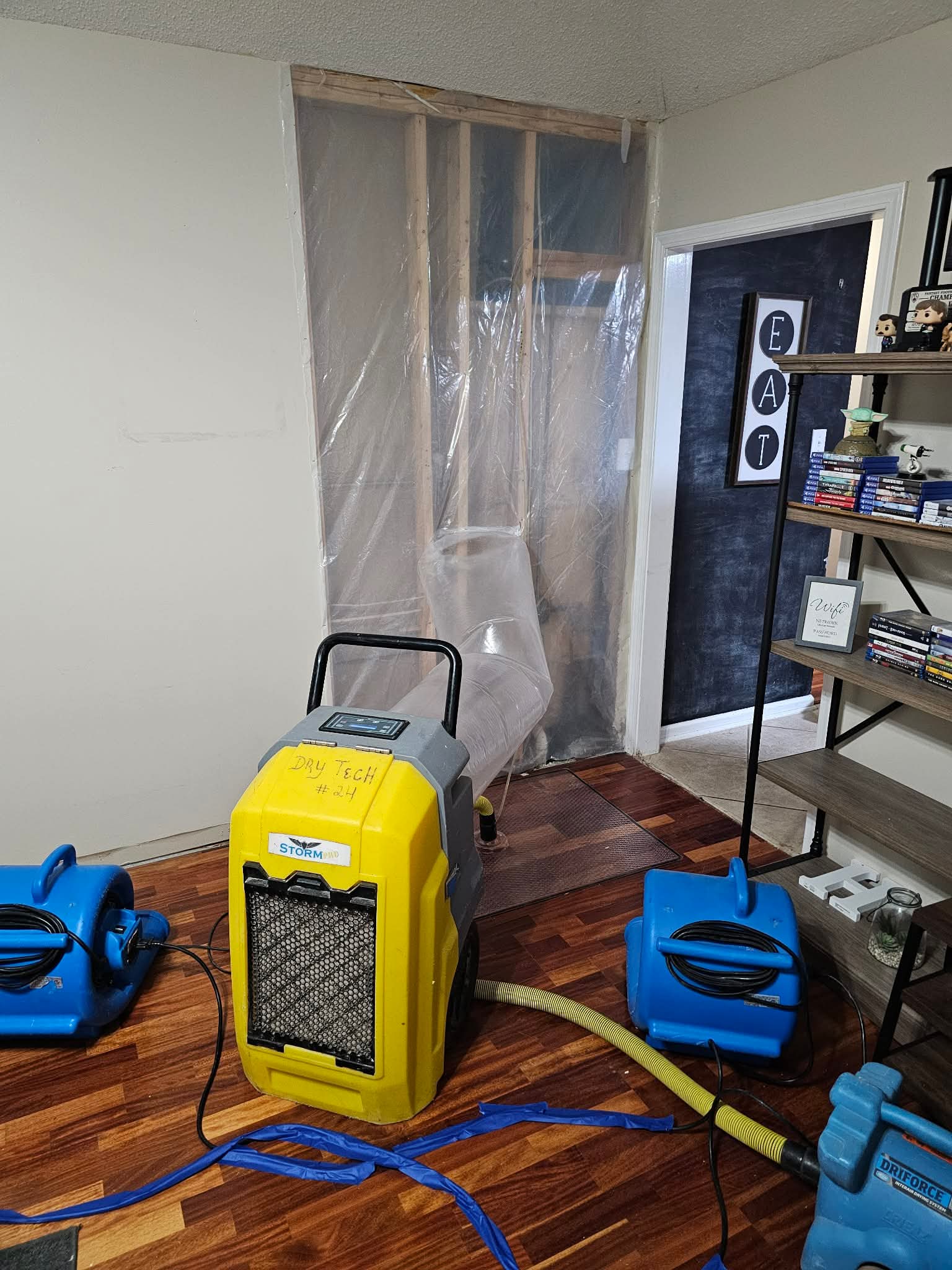
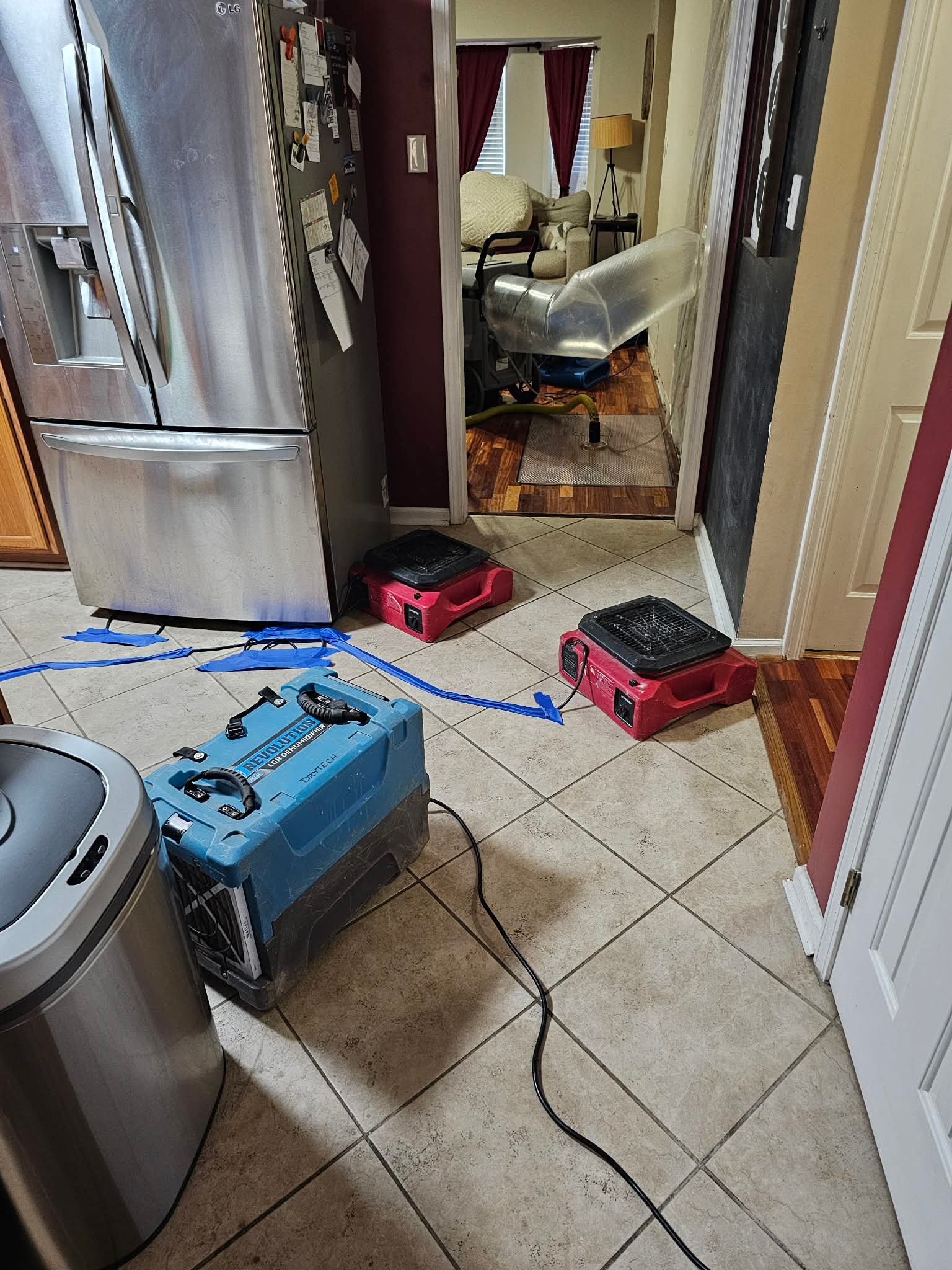
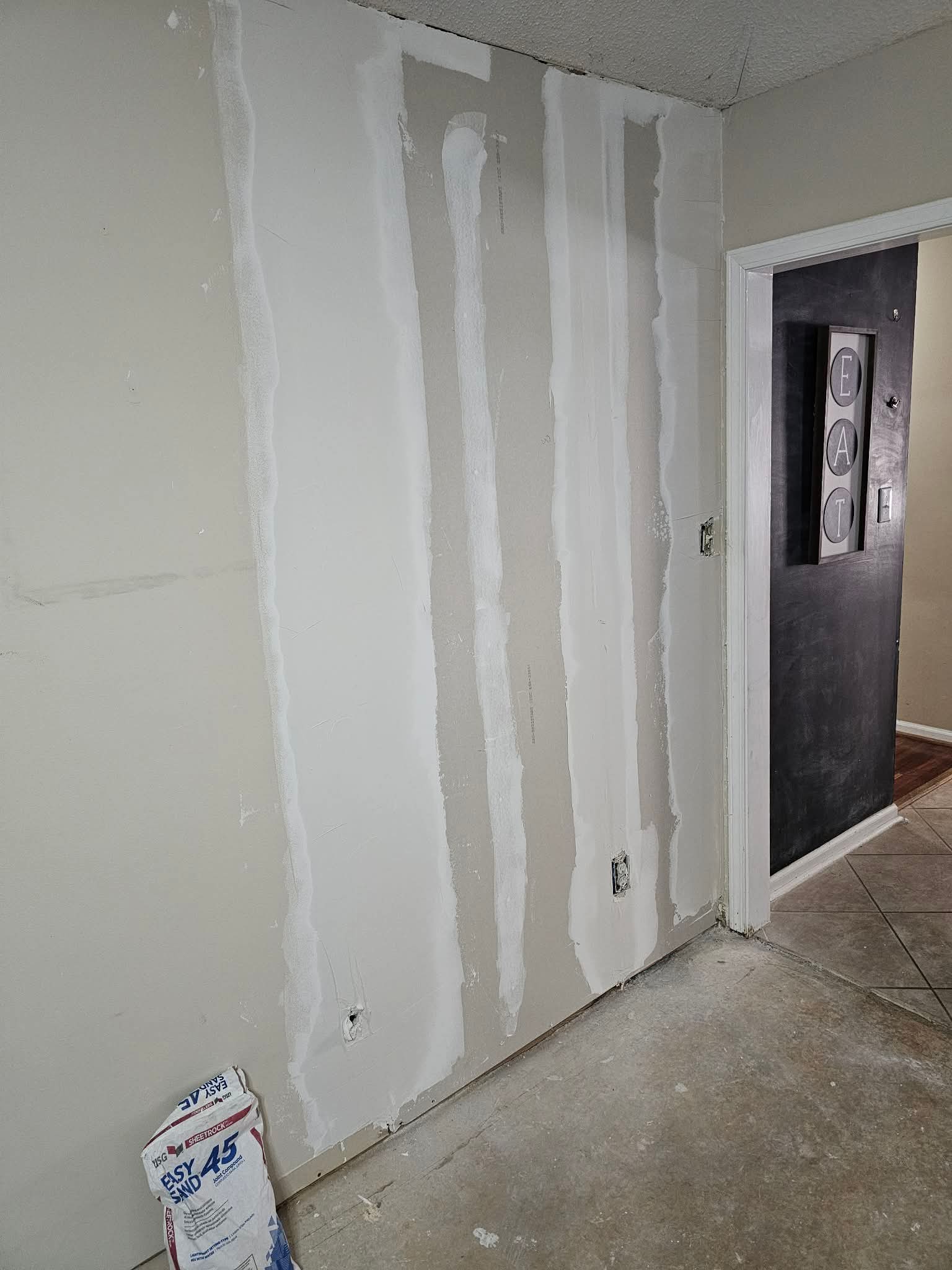
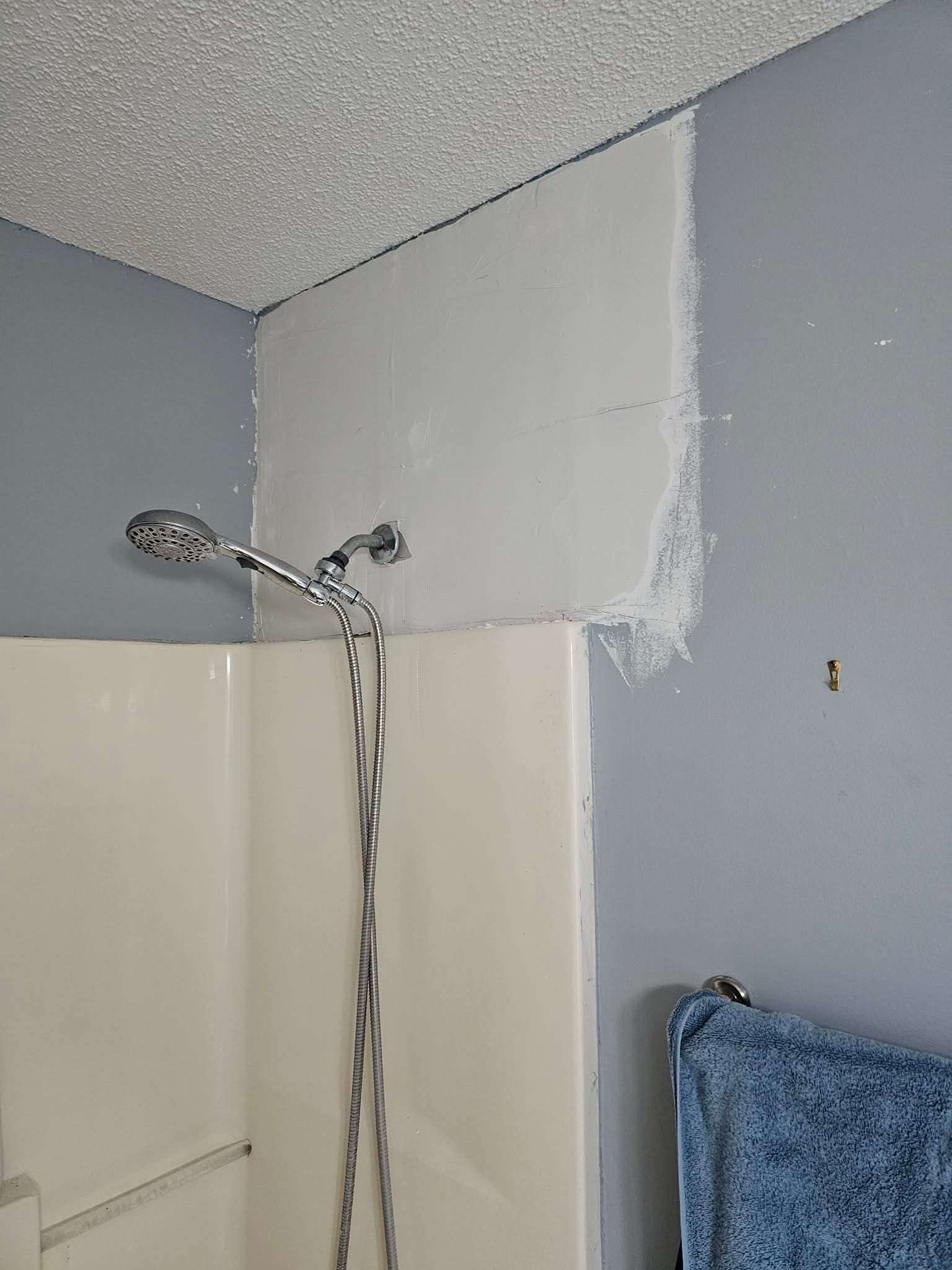
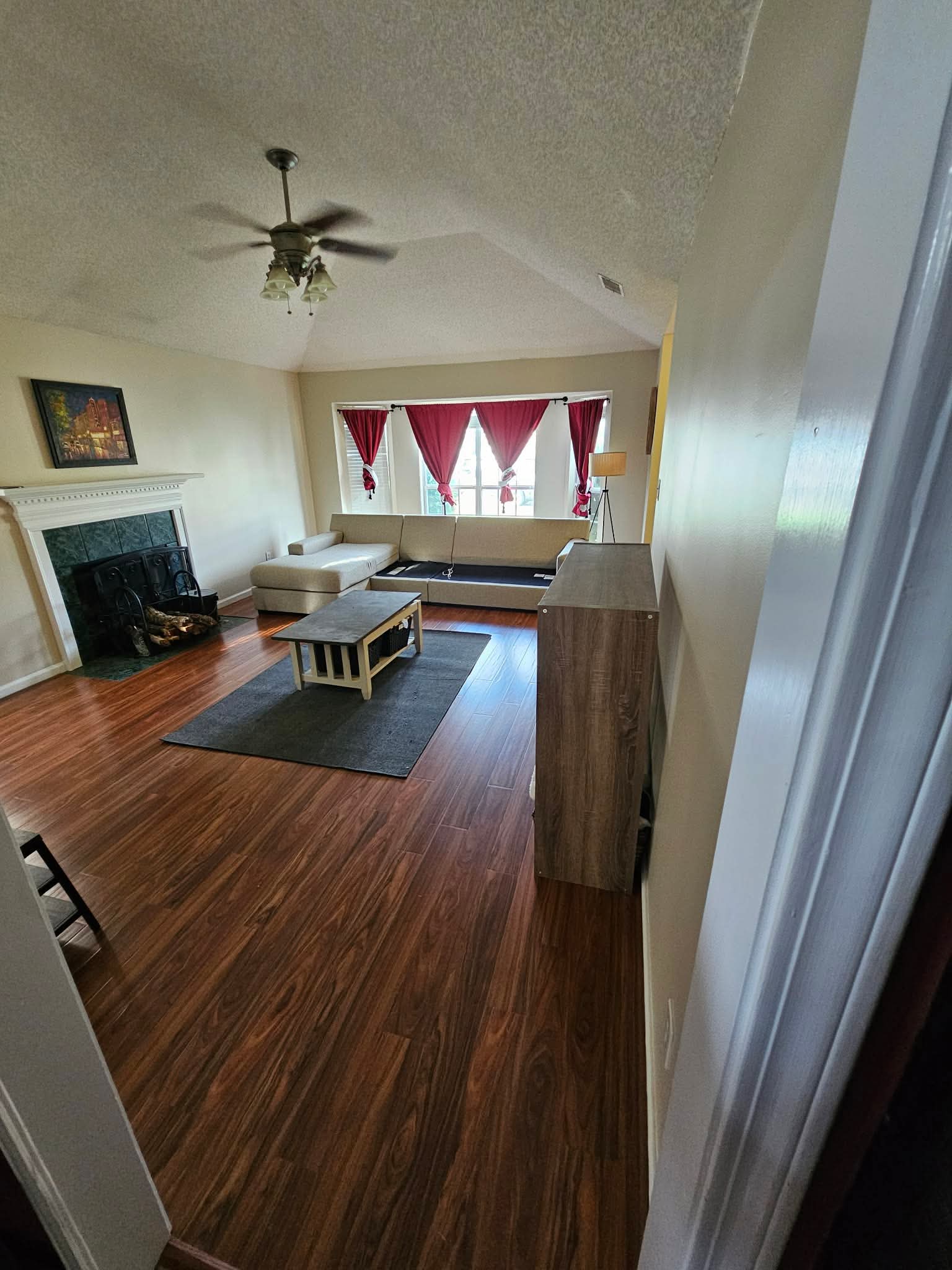
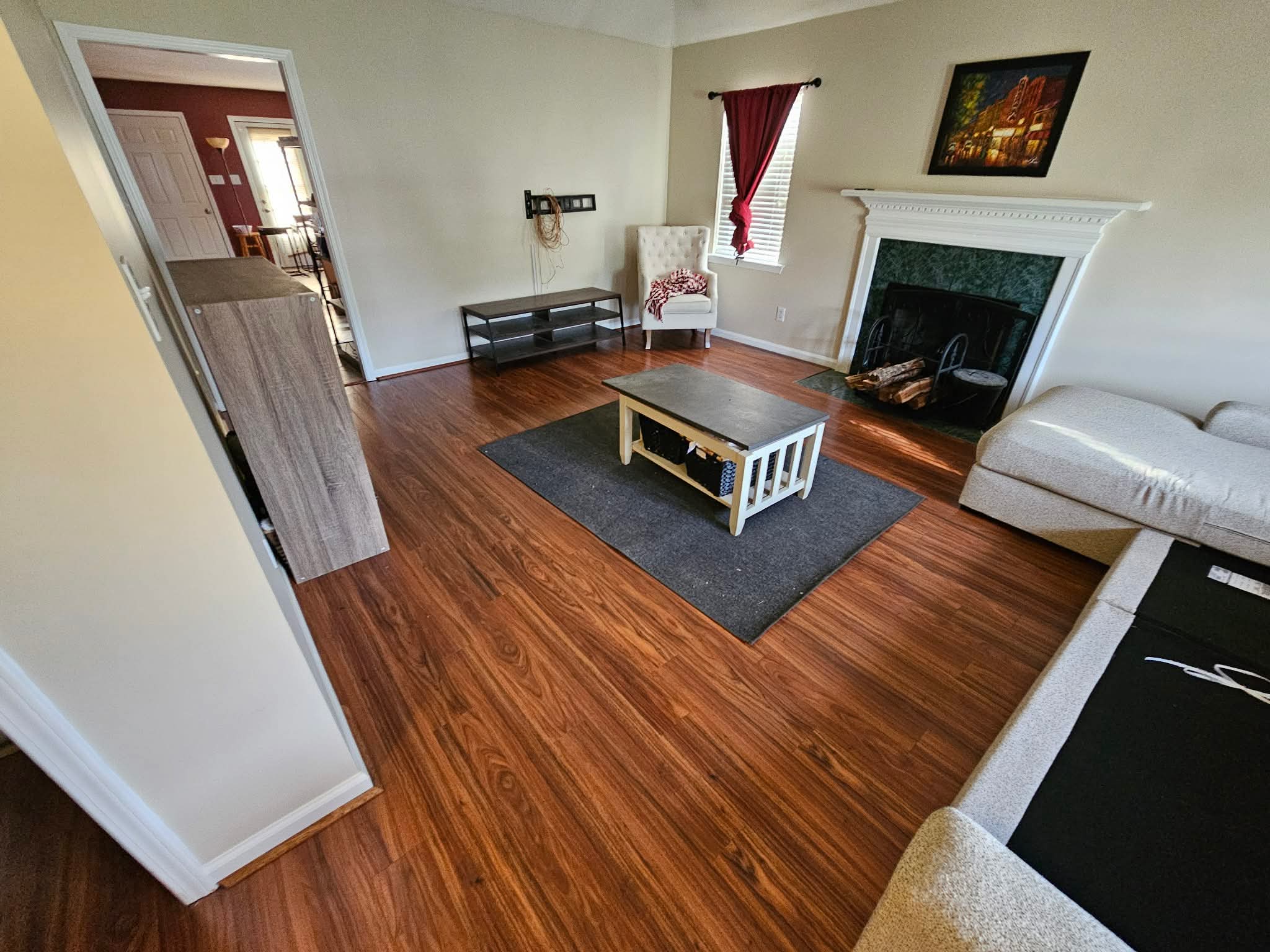
This gathering was also the first time we had been back to my son’s house since the water leak. The contractors did an excellent job rebuilding the damaged walls and replacing the flooring. Honestly, it looked like nothing had ever happened—which is exactly what you hope for after a project like that.
It was also the first time my son had met my other daughter’s boyfriend. As a father, you quietly watch those moments. You wonder how everybody will get along, whether the conversations will flow naturally, and if things might feel awkward.
But everything seemed easy and comfortable. Everybody laughed. Conversations bounced around the room. People drifted from the kitchen to the living room and back again. It simply felt like family.
At one point, I caught myself sitting quietly and just listening.
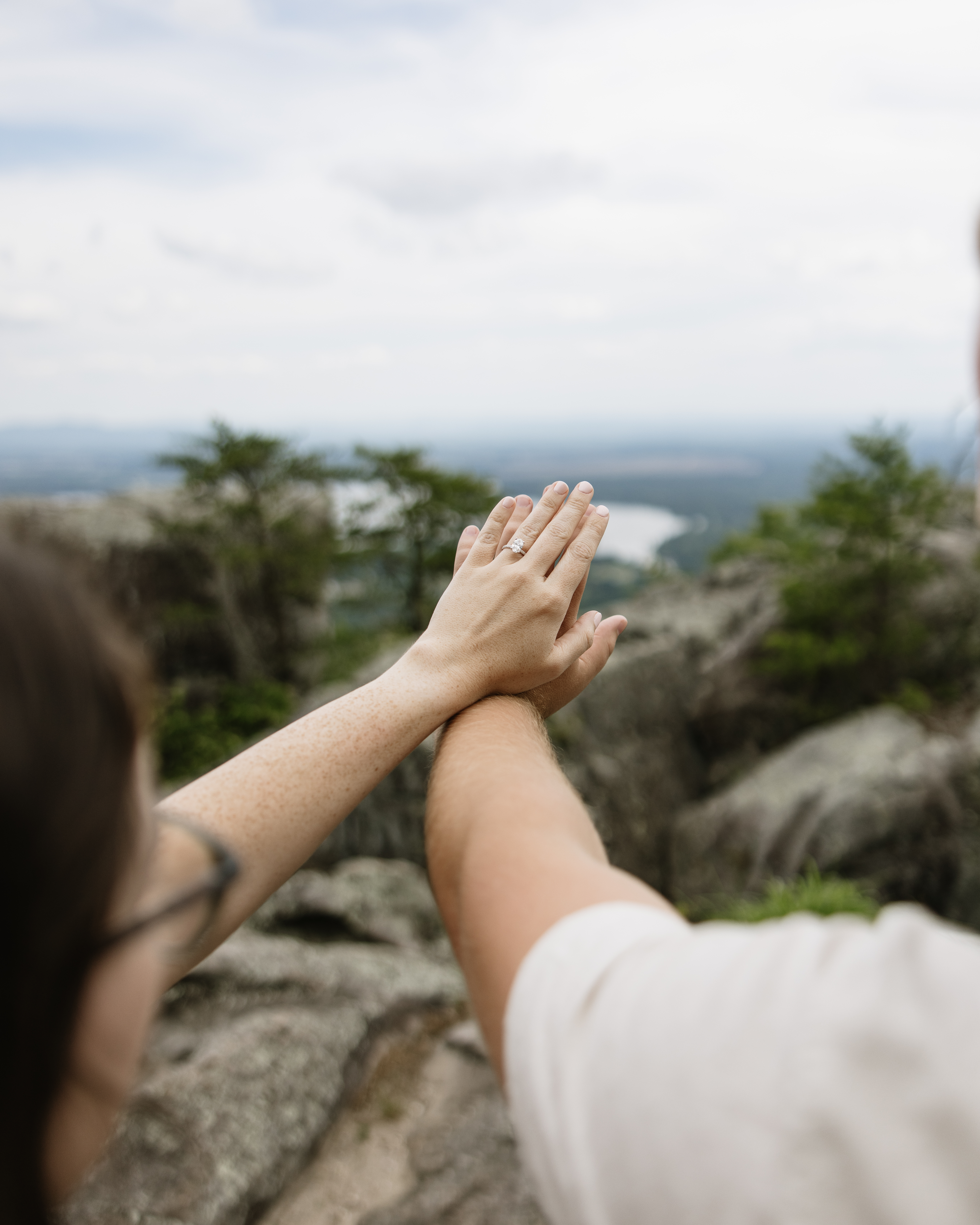
I admired how much my family has changed in what feels like such a short amount of time. One minute, there were no boyfriends or girlfriends around the table. Now, one relationship is likely headed toward engagement, and another is already hinting in the same direction.
Life changes slowly enough that you hardly notice it day by day. Then suddenly, during an ordinary rainy Sunday lunch before Memorial Day, it hits you all at once.
The kids aren’t kids anymore. Families grow. New people find their place at the table. Traditions continue, even when the weather doesn’t cooperate.
And honestly, I wouldn’t have changed a thing about the day.
I lost my temper with a stranger today. I’m not proud of it. In fact, I’m pretty ashamed that I let myself get that worked up. I guess part of the problem was that I expected a little common sense from a fellow human being. Apparently, that was asking too much.
Normally, I would’ve filled up my truck right after church, but since I won’t be attending tomorrow due to another commitment, I decided to get fuel while my wife and I were already out meeting our two daughters and their boyfriends for lunch.
The gas station in question was the fuel center at Sam’s Club. Around here, they usually have the cheapest gas prices, which also means they usually have lines long enough to qualify as a minor traffic event.
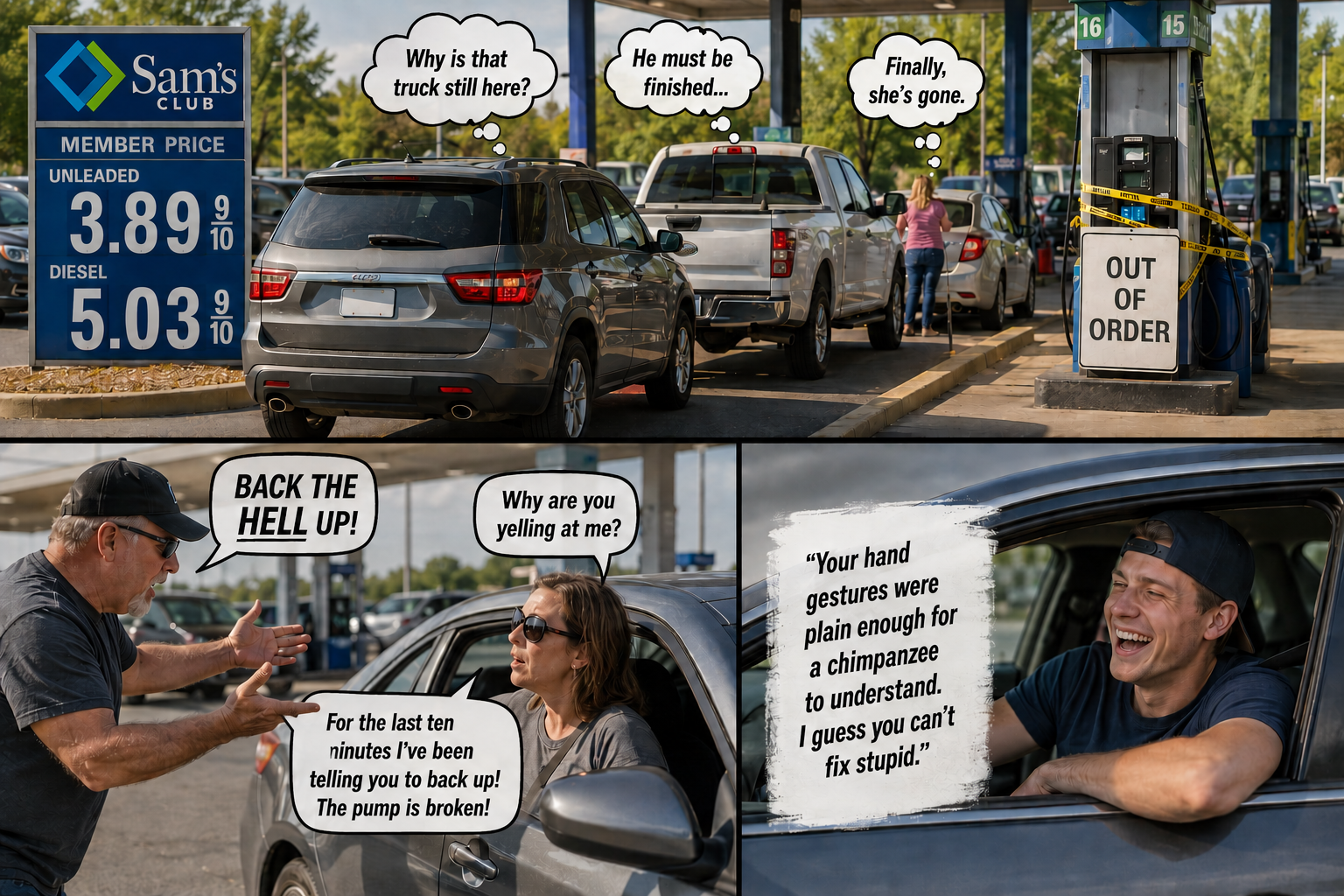
I noticed the two end pumps had shorter lines, so I eased into one of them. The setup beside a concrete median meant once you got in line, you were committed unless you could somehow back out.
There were three vehicles ahead of me: a small car, a pickup truck behind her, and directly in front of me, an SUV.
At some point, both the SUV driver and I noticed the pickup driver put the nozzle back on the pump. Naturally, we assumed he was finished fueling and simply waiting for the lady in front of him to leave so he could pull out.
Wrong.
The lady left, and instead of driving away, the pickup driver pulled forward to the next pump and started over. That’s when we realized something wasn’t right.
Turns out, the pump he had been using was out of order.
Now the SUV in front of me was stuck trying to get fuel from a dead pump, and I was trapped behind it. I tried easing backward, but another vehicle had already pulled in behind me.
This is where the story takes a turn.
I looked behind me and saw a woman sitting in her car. No one was behind her. All she needed to do was back up a few feet so I could get out.
I got out of my truck and motioned for her to reverse.
Nothing.
I waved bigger.
Still nothing.
I even yelled directions while making motions large enough to guide aircraft onto a runway.
Nothing.
At this point, I honestly couldn’t tell if she wasn’t paying attention or if she simply had no earthly idea what my “wild arm flailing” meant. I’ll admit, I was getting irritated fast.
Finally, I got back in my truck and started inching backward anyway. That’s when she honked at me.
That was the exact moment my temper left the building.
I climbed out, walked to her window, and very firmly — and not exactly politely — informed her that I had been trying for the last ten minutes to get her to back up because the pump was broken.
Her response?
“You didn’t tell me to back up.”
Apparently, years of directing traffic with hand gestures have failed me. Either that, or she had never encountered the universal sign for “please move your vehicle before I lose my religion.”
She eventually backed up… though not nearly enough. I somehow managed to squeeze my truck out and circle around to another line.
As I was doing this, a young guy in the next lane who had witnessed the entire circus was laughing so hard I thought he might need oxygen.
His exact words were:
“Your hand gestures were plain enough for a chimpanzee to understand. I guess you can’t fix stupid.”
Now, before anyone nominates me for “Christian of the Year,” let me say this: I know I was wrong for losing my temper. I absolutely was.
But I will also say this — while my mouth got ahead of my better judgment, there were several things my brain suggested that thankfully never made it out loud.
So maybe there’s growth there.
The whole thing could’ve ended much worse than it did. I may have shown my rear end a little, but eventually she understood the message I was trying to convey:
Put the phone down and pay attention to what’s going on around you.
Because if she had been paying attention in the first place, she would’ve noticed the broken pump… and the growing collection of trapped vehicles trying desperately to escape fuel-line purgatory.
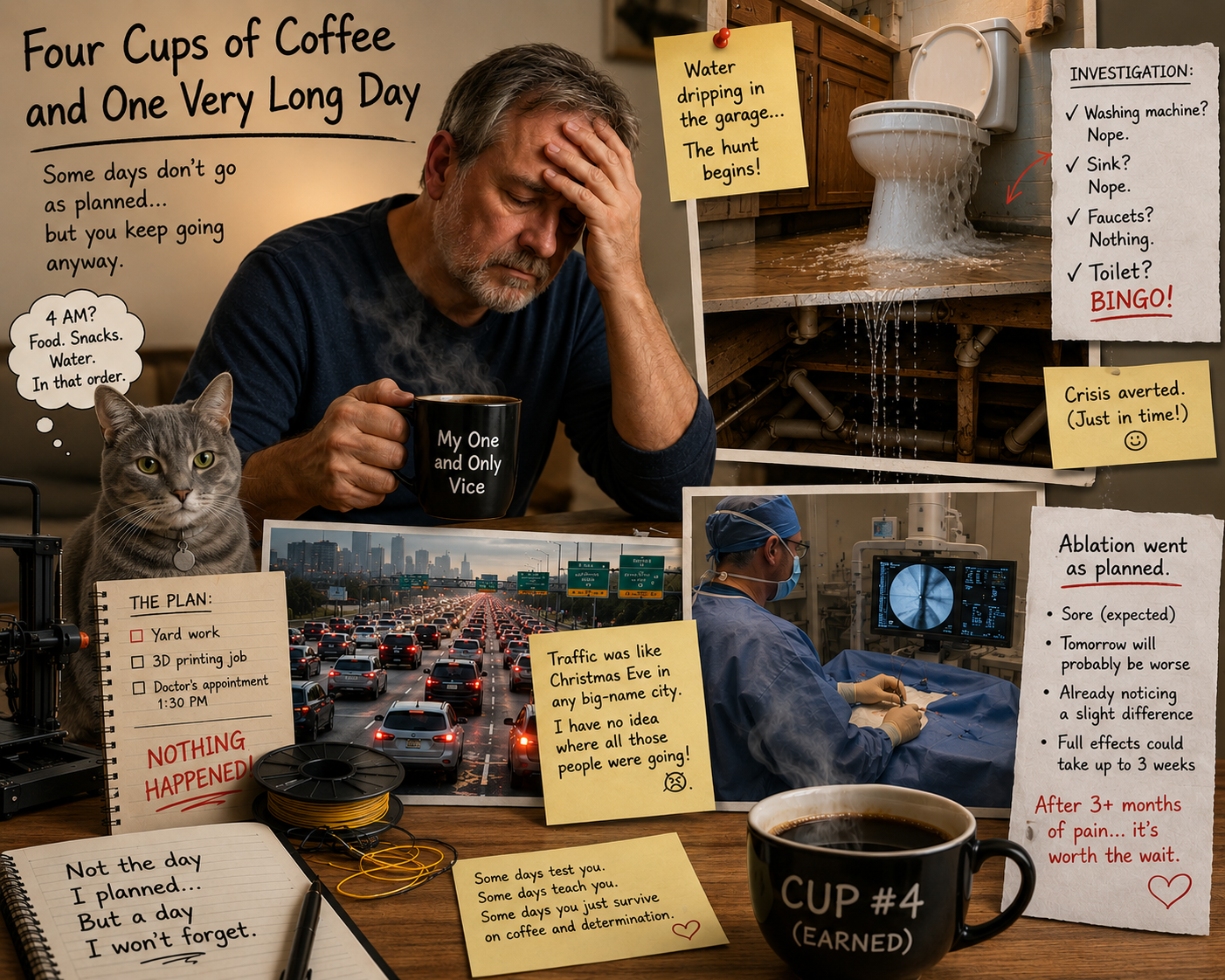
I had a pain block in my back late this afternoon. I’ve had several pain blocks for my sciatic nerve over the years, and thankfully, they’ve worked pretty well. The doctor says it can take a day or two before you really notice the full effect, but I can already tell there’s a little improvement. At this point, I’ll take “little improvement” over “walking like a ninety-year-old penguin” any day.
I’m scheduled to go back in two weeks for another block, but apparently, Medicare has decided that anesthesia is now considered some sort of luxury item instead of a necessity. Evidently, according to someone sitting comfortably behind a desk somewhere, getting needles stuck in your spine should be considered “part of the experience.”
I’ve had sciatic nerve blocks without anesthesia before, and let me tell you, “uncomfortable” is not a strong enough word. I survived it, but I also briefly considered updating my will during the procedure. Now they want to do the back without anesthesia, too. I may discover just how brave I really am because paying $225 every visit might send me into cardiac arrest before the back pain does.
After the next pain block, the doctor wants me to have something called RFA — Radio Frequency Ablation. From what I understand, it basically involves burning the nerve endings so they stop sending pain signals. Nothing says modern medicine quite like, “Good news! We’re just going to burn part of your nerves.” I’m sure it’s perfectly safe, but the wording alone sounds like something dreamed up in a medieval torture chamber.
Apparently, though, it works well for a lot of people, so I’m trying to stay optimistic.
Of course, the moment Rick — my fishing buddy — heard I was feeling a little better, he immediately sent me a text asking if we were going fishing in the morning. That man can sense improved mobility from three counties away.
I told him no. I’m taking a day of rest and trying to finish up a couple of projects, including my mom’s Mother’s Day gift. Besides, every fish in Alabama deserves at least one day each week when they don’t have to worry about seeing my kayak floating toward them.
My Kindle still hasn’t shown up either. I’m holding off ordering another one until after Sunday, just in case some honest person found it and turns it in. I still can’t figure out how it vanished between church and home last Sunday. I’m beginning to think it either sprouted legs or was taken by the same mysterious force that steals socks out of dryers.
Thankfully, the severe storms they were predicting never really materialized around here. I’m grateful for that because storms make me extremely anxious — especially tornadic weather. I’ve never liked it, and honestly, I probably never will.
What amazes me is how some meteorologists start the “doom and gloom” forecasts ten days in advance, like they’re auditioning for an apocalypse movie. Every social media platform suddenly turns into nonstop radar screenshots, dramatic music, and phrases like “potentially catastrophic event.”
Meanwhile, the weather changes fifteen times before the storm even gets here.
Now, the meteorologist I normally watch is different. He’s a straight shooter. He doesn’t try to scare everybody half to death just to rack up clicks and views online. Some of these other weather folks act like they’ve been sitting backstage all year waiting for severe weather season so they can finally get more airtime than the sports department.
Normally, the sports guys get all the glory with football, basketball, baseball, and everything else. The weather guy usually gets about ten minutes to point at a cold front and tell us there’s a thirty percent chance of rain. But let a tornado watch pop up somewhere, and suddenly they’re on television for six straight hours living their best life.
Unfortunately, all those dramatic weather posts somehow flood my social media feeds whether I want to see them or not. And once I start seeing tornado predictions, my anxiety kicks into overdrive, and I’m ready to crawl into a hole somewhere until it all passes.
Maybe that hole needs Wi-Fi, though… especially if my Kindle never comes home.
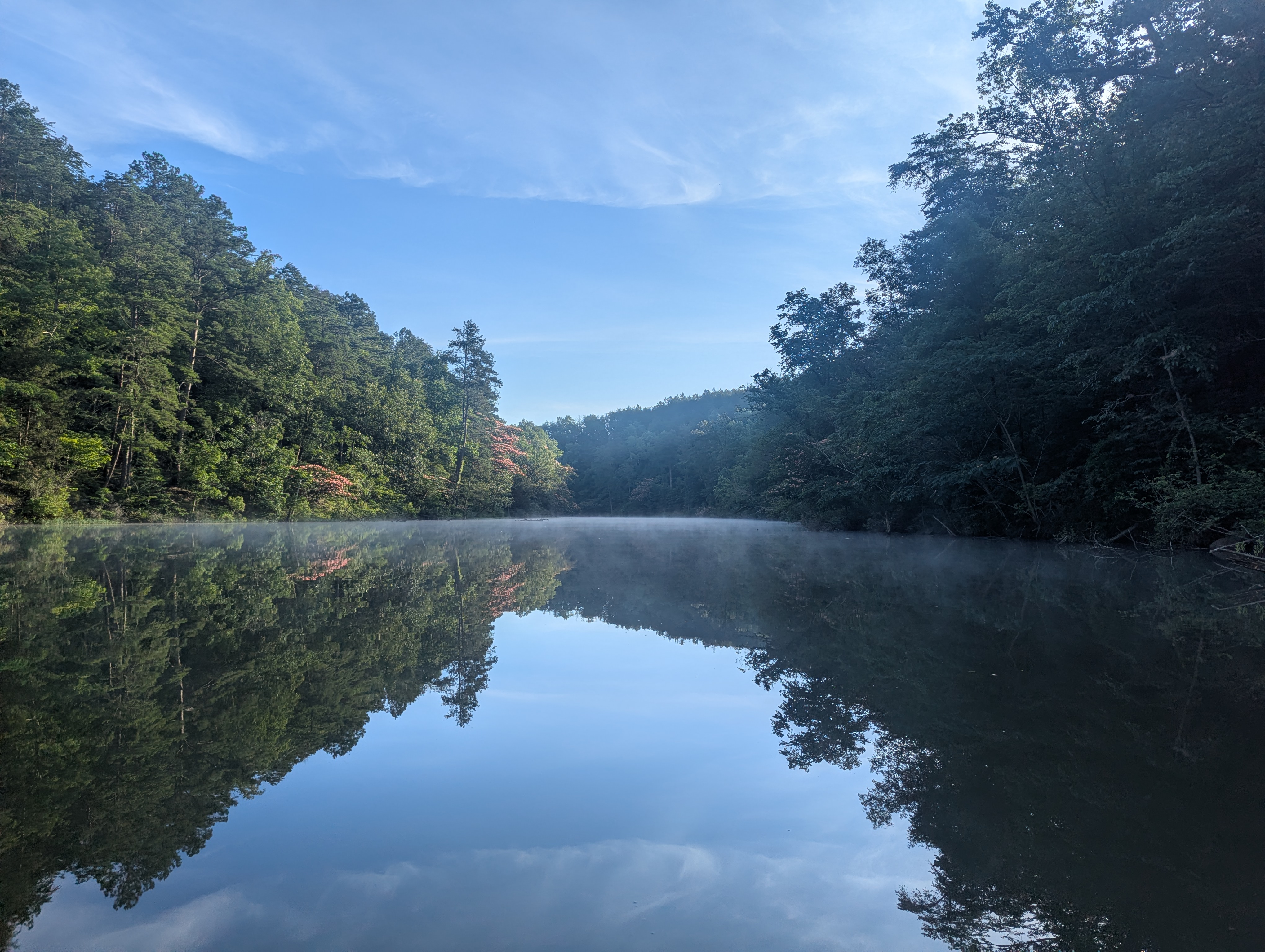
I survived the day on the river. Well… define survived.
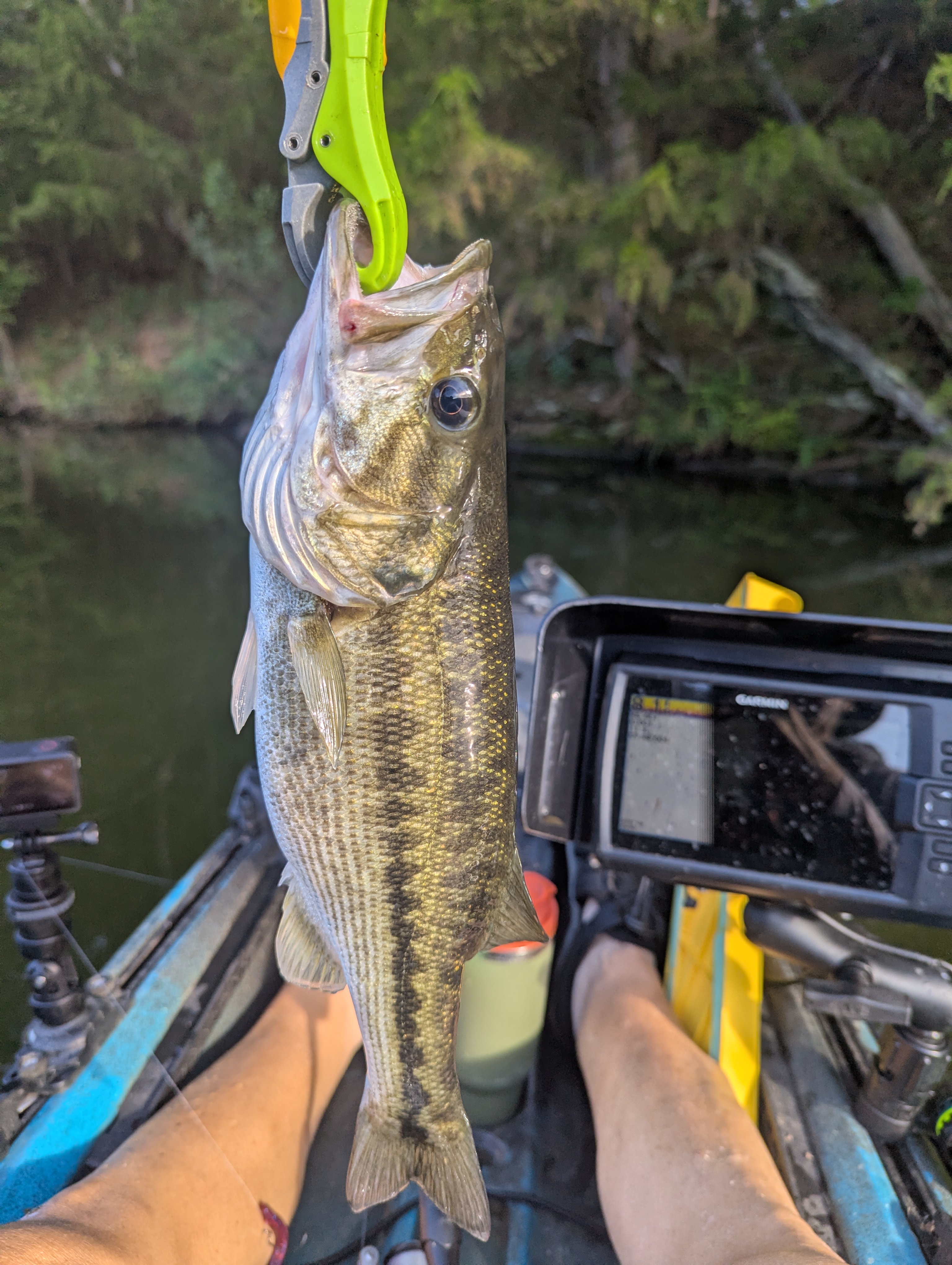
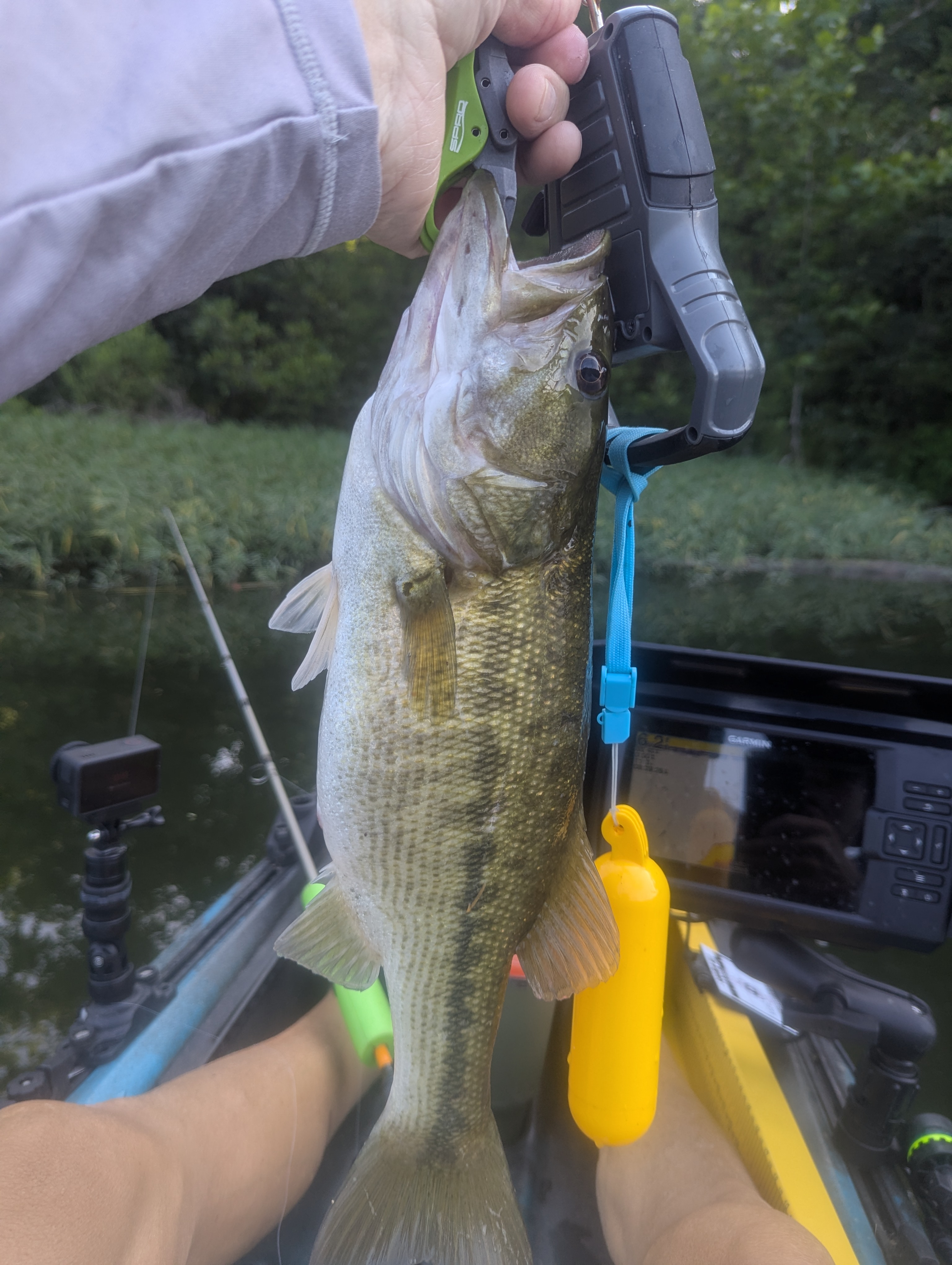
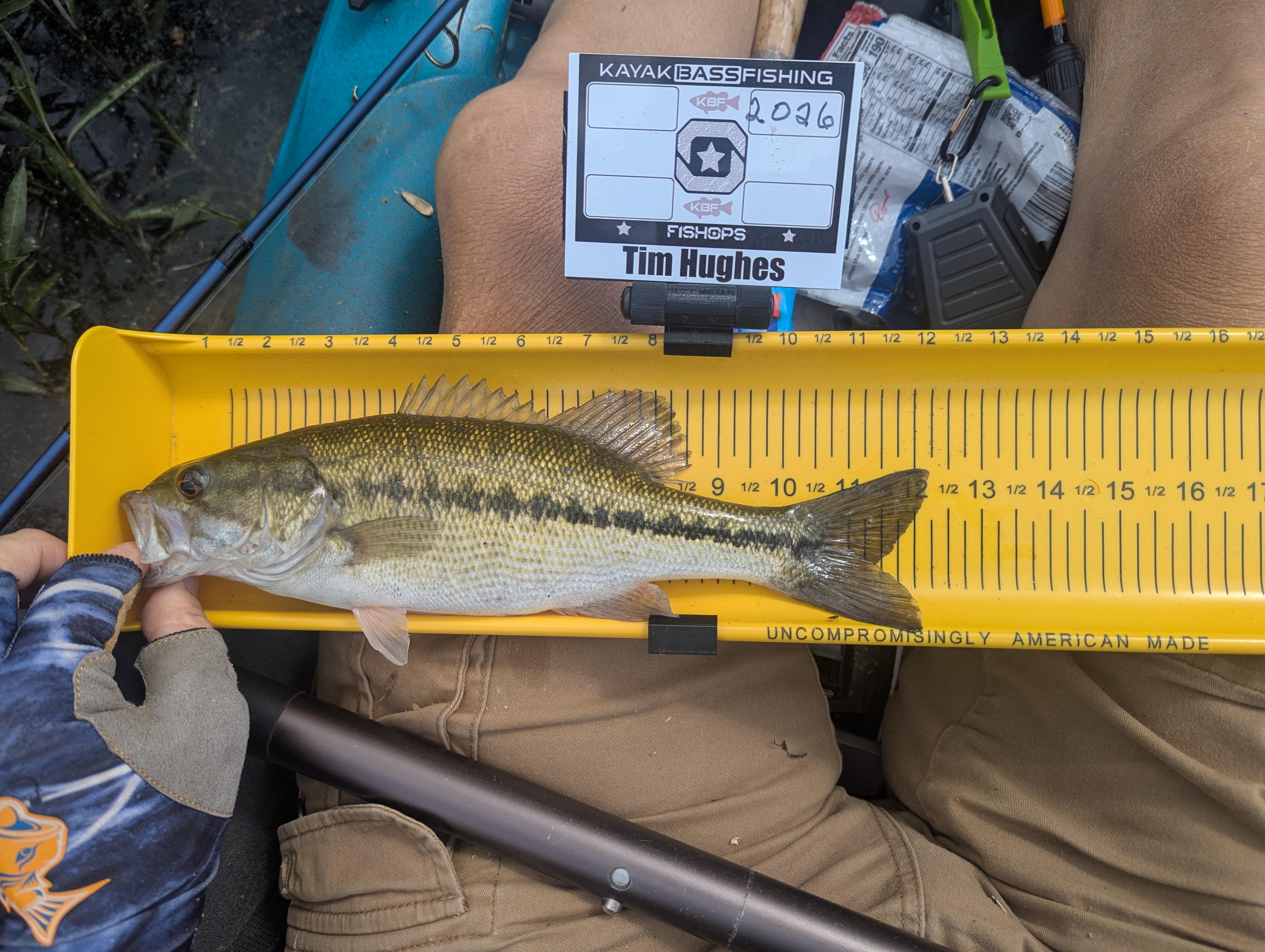
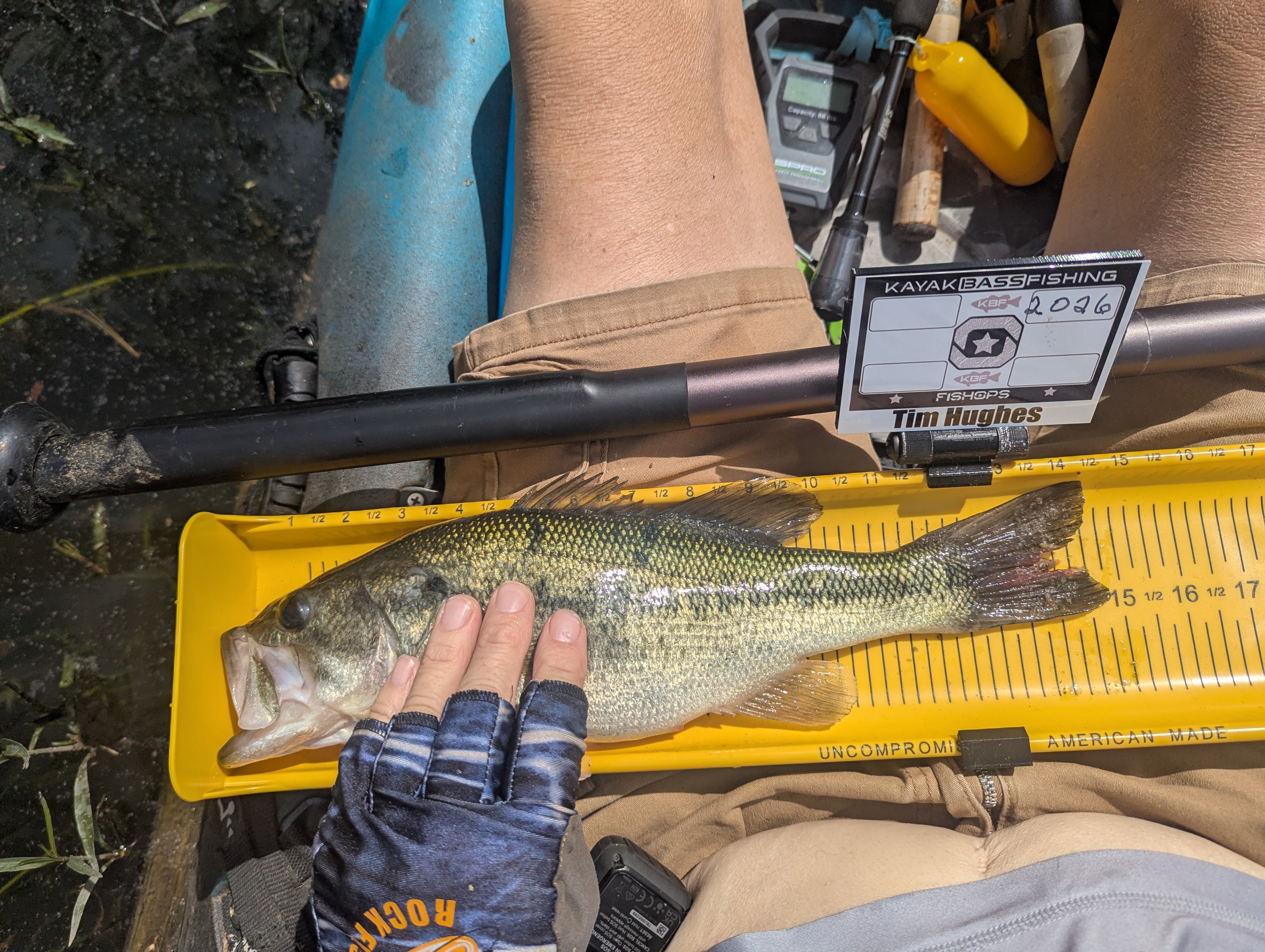
I caught three fish—two bass and one respectable catfish. Now, before you start picturing a highlight reel, let me bring you back to reality. One bass weighed a solid 0.84 pounds… which I’m pretty sure still qualifies as “aspiring fish.” The other came in at 1.61 pounds, which officially made it the “big one” of the day.
Not exactly bragging rights, but hey—it beats going home empty-handed and lying about the one that got away.
It was a long day on the water with not much to show for it, but honestly, that wasn’t really the point. Sometimes you just need to get out there, clear your head, and enjoy the quiet… even if the fish aren’t cooperating.
Now, my back? My back has a completely different opinion about how enjoyable that day was.
This morning, it feels like I tried to wrestle a gator instead of fish for bass. I’ve been eyeballing a muscle relaxer like it’s the answer to all my problems, but if I take it, I might as well cancel the rest of the day—and I’ve got a craft fair to prep for. So for now, I’m choosing pain and responsibility over relief and a nap. Questionable decision.
My fishing partner had a better day—at least numbers-wise. He caught six fish: two panfish and four bass. Of course, he forgot his scale… again. At this point, I’m starting to think it’s intentional.
And the pictures? Let’s just say if blurry fish photos were a sport, he’d be sponsored. Half the pictures cut the fish off, and the other half look like they were taken during an earthquake.
But the real adventure didn’t start until we tried to leave.
I got back to the launch first and was greeted by a couple of contractors from Alabama Power. They had seen me pull up and came over to talk. Between the language barrier and a lot of hand gestures, I gathered they were stringing a new power line right where I was and wanted me to move.
I explained I was waiting on my buddy… who, by the way, had forgotten his paddle.
Now, before you panic, he’s got a pedal kayak, so getting around wasn’t the issue. Getting out of the water, however, would require a little teamwork—and preferably someone who actually had a paddle.
The contractors weren’t thrilled, but they had little choice but to wait.
When my buddy finally showed up, I filled him in. We got him out of the water and were told it would be about a 20-minute delay.
Forty-five minutes later, it became clear that “20 minutes” was more of a suggestion than a timeline.
So we did what any tired, slightly irritated fishermen would do—we handled it ourselves and loaded up anyway. I noticed the line they were stringing didn’t even have power running through it yet, which made the whole situation even more confusing. But at that point, we were done asking questions.
We loaded up and hit the road.
And immediately got stuck behind a slow-moving truck hauling what looked like half a construction site.
What should have been a 45-minute drive home turned into an hour and a half. Because apparently, the universe decided the day just wasn’t quite long enough yet.
Now here I am the next morning, back aching, truck still needing to be unloaded and reloaded for the craft fair, and wondering why all my hobbies seem to come with a recovery period.
Yesterday had its share of hiccups, but it was our first trip of the regular season. Gear was misplaced, things were forgotten, and clearly, we’re a little rusty.
But now that we’ve got the first trip out of the way, everything should be back where it belongs.
At 4:00 a.m., my alarm will go off, signaling the start of a long—but hopefully rewarding—day. I’ll roll out of bed, grab some breakfast, and head out to meet my fishing buddy at his place by 5:30.
But before I ever get to the water, today was about preparation.
After spending hours out in the heat working on crafts, I came home and shifted gears—loading up the kayak, rods, and every piece of electronics I’ll need. I made sure batteries were fresh, gear was in place, and all safety equipment was accounted for. Or at least… most of it.
Ever since the great Easter weekend cleanup (or “panic clean,” if we’re being honest), there are still a few things that seem to have vanished into thin air. I had a feeling that once I started moving everything around, I’d forget where I put something important.
I was right.
A few weeks ago, I bought some proper red safety flags for the back of my kayak—bright, reflective, and actually visible. In Alabama, anything over 12 feet is supposed to have a red flag attached, and my old solution—a once-red rag—is now so faded it looks more like a tired brown surrender flag than anything useful.
And of course… I can’t find the new ones.
I know how this story ends. I’ll stumble across them one day while I’m tearing the house apart looking for something else I can’t find. That’s just how it works.
But missing flags or not, I’m determined to make the most of tomorrow. A good day on the water doesn’t come from perfect preparation—it comes from being there.
Somewhere in between all of that, I’ve also got a craft fair coming up Saturday. Today, despite the heat, I managed to put together a couple of new trial pieces—a rustic serving tray and a small hanging planter. I didn’t go all in on them just yet. No sense in making a dozen of something if nobody wants one.
But if they sell? I’ll be making more.
There’s something satisfying about working with your hands—whether it’s shaping wood into something useful or casting a line and waiting on that tug. Different kind of work, same kind of reward.
Last night, I did something I honestly never thought I’d get the chance to do.
Thanks to one of my daughters, my family and I went to see Martin Short and Steve Martin live at the Birmingham-Jefferson Convention Complex—or as most of us around here call it, the BJCC.
And let me tell you… I haven’t laughed that hard in a very long time.
Now, the night almost didn’t turn out quite as great as it did. The original tickets were way up in the nosebleed section—you know, the kind where you’re just hoping the big screen works because the stage looks about the size of a postage stamp. But thanks to my daughter being persistent (and apparently a pro at ticket stalking), she checked again later and found stage-level seats for the same price.
Same price. Better seats. That kind of luck doesn’t happen often.
The show itself wasn’t just comedy—it was storytelling, history, and two guys who clearly enjoy every second of what they do. They talked about their childhoods, how they got started, and even the first time they met—which, as it turns out, was during Three Amigos. I had no idea that Steve Martin actually wrote that movie, let alone that it played a role in their long-running friendship.
One of the highlights of the night for me was hearing Steve Martin play the banjo. That alone would’ve been worth the price of admission. He was joined by the incredibly talented Steep Canyon Rangers, and together they added a whole different layer to the show. It wasn’t just funny—it was genuinely impressive musicianship mixed right in with the comedy.
It made the whole night feel a little more personal, like you weren’t just watching a performance—you were getting a glimpse into their lives.
Now… I’d be lying if I said every single moment was comfortable.
Between the body suit Martin Short wore—where absolutely nothing was left to the imagination—and the two clearly over-served ladies sitting behind us providing their own running commentary, the night got a little more “eventful” than expected. At times, it felt like we had a bonus side show going on right from our seats.
Let’s just say… There were moments I didn’t know whether to laugh at the stage or turn around and laugh at what was happening behind me.
But honestly? That just made the night even more memorable.
From start to finish, the show was well worth it. Great seats, great laughs, live music, and time spent with family—those are the kinds of nights you don’t take for granted.
And for me, it was one of those rare experiences where you walk away thinking, “Yeah… I’m really glad I got to do that.”
Congratulations! If you are reading this, you are a real person.
Overnight, my subscriber count went from 497 to 47.
Before anyone starts sending sympathy cards or casseroles, let me explain.
I’ve had this blog for several years, and oddly enough, I accumulated most of my subscribers during a long absence. When I recently started looking through the list, I noticed something strange: a lot of them didn’t seem to exist anymore. Not just inactive… but completely gone.
So I started doing a little subscriber housekeeping.
Many of the blogs were started years ago and then abandoned, like a treadmill purchased in January. After ten to fifteen years of no activity, I figured it was safe to assume the owners had moved on to other things—like real life, or possibly competitive napping.
A surprising number were also diet sites, clearly hoping I would suddenly become their next customer. A few were connected to a rather suspicious-looking Russian site, which made me wonder if I had accidentally become part of an international carb-smuggling ring.
So… out they went.
While going through the list, I stumbled across a blog I used to follow when I first started writing. It belonged to a young woman who was documenting her weight-loss journey. She and I had a lot in common.
Her system was simple. Every time she lost a pound, she added a gym clip to a long chain of clips. If she gained a pound, she removed one.
It was a clever idea.
I tried the same thing myself for a while… but I didn’t get very far before I realized I was removing clips faster than I was adding them, which felt less like motivation and more like a depressing arts-and-crafts project.
When I looked up her blog again, I saw she hadn’t posted anything since 2017. I’m not sure what happened. Maybe she reached her goal and moved on, or maybe she just got tired of counting clips.
Either way, her page was one of many that had gone quiet.
There were several others I used to follow that had either stopped posting altogether or disappeared completely. I’ll admit, I felt a little guilty removing them from my list.
But at the end of the day, I decided it was time for a reset.
So here we are: 47 subscribers strong.
If you’re reading this, congratulations—you made the cut. You are officially a real, live, red-blooded human being (or at least a much more convincing robot).
My hope is to slowly build the list back up again with people who enjoy reading and sharing stories—not just trying to sell me miracle diets, suspicious investments, or something that ships from a warehouse somewhere outside Moscow.
So thanks for sticking around.
It’s good to know there are still a few humans out there.
Doctors, diagnoses, prescriptions, Medicare, insurance, and denial — those are words that seem to follow me around these days. Sometimes I think dealing with the medical system is almost a full-time job. If they paid by the appointment, I’d be drawing a salary by now.
One thing I’ve never quite understood is how a doctor can go to school for years, train for years more, examine you personally, and decide what medication you need — only for the insurance company to step in and say, “Nope, we don’t think so.”
Apparently, somewhere a person is sitting behind a desk who knows more about my condition than the doctor who actually saw me.
I worked for a health insurance company for 32 years before I retired. I was in the maintenance department, which meant I fixed things like doors and lights — not insurance claims. Still, people who knew where I worked would often ask me why their medication was denied even though their doctor prescribed it.
I always had to explain that just because I worked there didn’t mean I knew anything about insurance decisions.
Truth be told, I still don’t.
A good example is what happened recently with my son. He was prescribed medication for severe sleep deprivation. His previous insurance covered it, and he was happy because they had finally found something that actually worked.
Then he changed jobs.
His new insurance company now says the medication is “not medically necessary.” I guess sleeping is optional now.
The doctors now think he might have sleep apnea and ordered a sleep study. Before he even got scheduled, he got a phone call saying the test would cost over $2,000 because his insurance wouldn’t cover it.
He’s a young man with a mortgage, a car payment, and utility bills. In other words, he’s living in the real world — the one where people don’t just have $2,000 laying around for a test that might help them sleep at night.
Meanwhile, I realize I’m one of the fortunate ones. Because of my disabilities, I qualify for Medicare, and because I worked for an insurance company, I retired with a good supplemental plan. That combination gives me coverage that many people would love to have.
I don’t pay co-pays for doctor visits. I don’t pay for emergency room visits. Every time I leave the hospital, the bill says I owe exactly zero dollars, which is my favorite number.
I do pay for some medications, but not a lot.
One medication I take costs about $20,000 for a 30-day supply.
Yes, twenty thousand dollars.
For that price, I feel like it ought to come with a steak dinner and a weekend vacation.
Fortunately, the drug company offers a $0 co-pay card because they know insurance only pays part of the cost. Thanks to that program, I don’t pay a penny for a medication that costs more than some cars.
I consider myself blessed, because there are people who need this same drug and simply can’t get it because they don’t have the right insurance. That part isn’t funny at all.
When I ask why the drug costs so much, I’m told it’s because of all the research that went into developing it. I understand that research costs money, but sometimes I wonder if the scientists also built a few vacation homes along the way.
After being on this medication for a while, I feel like I’ve personally contributed a pretty fair share toward paying for that research — and I know some folks have been on it a lot longer than I have.
I don’t know what the answer is. Doctors are trying to help people. Insurance companies are trying to control costs. Drug companies are trying to recover research money.
And patients are just trying to stay alive without going broke in the process.
Maybe one day there will be a system where if your doctor says you need something, you can actually get it without filling out forms, making phone calls, and saying a small prayer first.
Until then, I guess we’ll just keep taking our prescriptions — and a healthy dose of patience right along with them.
In just a few hours, spring will arrive… in 25 days. That may sound like I failed math, but when you’ve spent the winter cold to your bones, you start announcing spring like it’s breaking news.
I cannot wait for consistent 70-degree days. Since being diagnosed with anemia, anything under 75 degrees feels personal. I walk around my house in a zip-up hoodie while the thermostat is set at 72, which apparently is “comfortable” for everyone else. For me, 72 feels like I’m storing meat in a deep freezer. I’m convinced the power company, and I have a mutual understanding: I keep the heat reasonable, and they don’t require a second mortgage.
Spring means I can finally venture outside without dressing in layers like I’m summiting Mount Everest.
It means yard work — and believe me, there’s no shortage of it around here. I actually enjoy yard work. There’s something satisfying about looking at a freshly mowed lawn or trimmed bushes and thinking, “Yes, I did that.” Of course, by next week, it looks like I never touched it, but for those few hours, it’s glorious.
Spring also means camping. I love camping, especially in early spring and fall when the nights are cool enough to sleep well but not so cold that you question every life decision that led you to sleeping on the ground. There’s just something peaceful about waking up to cool air and the smell of coffee brewing outside.
But this summer will feel different.
With my scouting days behind me, camping won’t be automatic anymore. For 25 years, Scouts were built into my calendar. Camping trips, summer camps, weekend outings — it was just part of life. There’s been talk of some of us former leaders getting together for a trip, but so far it’s been more nostalgia than reservations. This will be the first summer in a quarter of a century without Scouts in it. That’s going to take some getting used to.
Of course, there’s always fishing.
I can’t go fishing enough. If I could, I’d go every day of the week. One of my favorite memories happened last year when I took one of my daughters out fishing. We had tried a couple of years before, but that trip ended with a fishing hook buried in my finger and a quick trip to the hospital. The wind shifted, the kayak jerked, and suddenly I was the one being reeled in.
My daughter still blames herself, but it wasn’t her fault. Sometimes the wind just has other plans.
Last year’s trip was redemption. She caught several bass — the first she had ever caught. I was so thankful I was there for it. There’s something special about being present for those moments. You don’t realize at the time how much they’ll mean later.
And speaking of later, she recently announced that she and her boyfriend will be getting engaged. That’s supposed to be a secret, so if you’re reading this, you didn’t hear it from me.
Life changes. Seasons change. Kids grow up. And apparently, future sons-in-law don’t fish. I’m hoping she and I will still carve out a day or two to hit the water together. Some traditions are worth holding onto.
Spring also means outdoor cooking — and that may be what I’m most excited about. Grilling on the BBQ, cooking in my Dutch ovens — I love it. My love for cooking really started when I got involved in Scouts with my son. One of the dads in the troop took the time to teach me the art of Dutch oven cooking. And yes, I call it an art. There’s something about managing coals, timing, and recipes that feels almost sacred.
I always made sure at least one meal a day on a camping trip was cooked in a Dutch oven. If someone said, “I don’t know what to cook,” I’d hand them my trusty Dutch oven cookbook and say, “Well, you’re about to find out.” Most of the time, they did just fine.
Now it’s just my wife and me at home. The only problem is that most Dutch oven recipes feed ten or more people. So unless we’re planning to eat the same meal the next two weeks, I’ve had to make some adjustments. Turns out, retirement requires learning how to cook for two instead of twenty.
But maybe that’s what this season is about — adjusting. Letting go of some routines while holding onto the things that matter. Finding new rhythms. Creating new traditions.
And counting down the days until it’s warm enough for me to take this hoodie off inside my own house.
April 11, 2026, will mark 15 years since theF5 tornado that forever changed Pleasant Grove, a small but strong community in Alabama. Fifteen years sounds like a long time — until you realize grief, memories, and fear don’t really follow a calendar.
Shortly after the tornado struck, I wrote about what we experienced. Back then, everything was raw. The sights, the sounds, the loss — it all felt like it was happening in slow motion. Today, the emotions are different, but they are still there. Some wounds don’t close completely. They just learn how to live beside you.
That day, 13 people in our community lost their lives. Thirteen families had their worlds shattered. Homes were gone. Landmarks were gone. In many ways, a sense of security was gone, too. When people talk about storms, they often talk about property damage and wind speeds. But storms leave something else behind — memories you never asked for.
Even now, when the weather forecast mentions a tornado watch, my body notices before my mind does. The tension creeps in. The sky looks different. The air feels heavier. And if I’m being honest, I still have nightmares sometimes. The kind where you wake up and have to remind yourself that the walls are still standing and the roof is still overhead.
Our city is still rebuilding — not just buildings, but hearts. New homes have gone up. Businesses have reopened. New families have moved in. But there are empty places that will never be filled the same way again. And yet, if there’s one thing I’ve seen over the last 15 years, it’s resilience. Neighbors helping neighbors. Churches opening doors. Strangers becoming family overnight.
Anniversaries like this are strange. They hurt, but they also remind us of how far we’ve come. They remind us to say names out loud. To remember stories. To check on each other when the sky turns gray. And to never take an ordinary, boring, peaceful day for granted.
Fifteen years later, we remember. We honor. And we keep rebuilding — together.
The Day the Sky Took Aim at Home
Our little community was hit by an EF-4 tornado, and as most of you know, it destroyed much of our great city. Thirteen people lost their lives a few weeks ago. That same day, 64 tornadoes were recorded across Alabama, with 250 lives lost statewide. Numbers like that are hard to wrap your mind around… until one of those storms is headed straight for your front door.
That morning, my son and I woke up to news reports of a tornado hitting Pell City, a town east of us. It caused major damage, including to my sister-in-law’s house. It was shocking, but at the time it still felt like “someone else’s tragedy.” We were getting ready to leave with the high school band for a trip to Orlando, Florida. We kissed my wife and our young twin daughters goodbye and headed out, thinking about theme parks and music competitions.
I had no idea that just hours later, I would be terrified. I had just said goodbye to them for the last time.
We were on the bus near Tallahassee, Florida, when messages started coming in. An EF-5 tornado had hit Tuscaloosa and was moving toward Pleasant Grove — my hometown. Everyone on the bus started watching the live coverage as the radar showed the storm was inching closer to home.
I called my wife and told her to take cover. The radar program on my computer showed the path heading dead center toward our house. When I hung up the phone, I didn’t know if I would ever hear her voice again.
On the bus, the TV reports started rolling in. Then the phone calls and messages. Friends. Neighbors. Homes destroyed. Fires. Injuries. Deaths. It felt like the world was collapsing in real time — and I couldn’t reach my wife.
I tried her cell. The house phone. The neighbors. Nothing. Not even a ring. Just busy signals everywhere.
I couldn’t text her either. She never wanted to pay extra for texting. I’ll be honest… in that moment, I was mad about that. Funny the things your brain latches onto when you’re scared to death.
After about fifteen minutes, that sinking feeling set in — the one that tells you life might never be the same again.
All around me, parents were crying. People were getting news about loved ones being hurt… or worse. The lady behind me saw I was coming apart and tried to calm me down. I went and found my son. He had been trying to call his mom, too. I could tell he’d been crying. We just held onto each other for a few minutes.
Other parents tried calling our numbers. Same result.
Then finally… after what felt like a lifetime… I got a ring.
I remember thinking: Just because it rings doesn’t mean she’s alive.
Then I heard the most beautiful sound I’ve ever heard in my life.
My wife’s voice.
The tornado missed our house by about half a mile. She had stepped outside afterward and didn’t see much damage. A few limbs down. Insulation is scattered across the yard. She wouldn’t realize until the next day just how close we had come to losing everything.
We were — and still are — truly blessed.
The buses stopped at the next rest area. Parents and band leaders met to figure out what to do. Some parents chose to head home. The decision was made to continue to Orlando and let parents make their own travel arrangements if they needed to return.
The kids all stayed. Some didn’t like it at the time, but they needed to stay out of the way of the emergency response and cleanup. Looking back, I think they understood.
We stayed in Orlando until Sunday. The ride home was quiet. Reality had set in. We were about to see firsthand what had happened to our homes, our friends, and our community.
Even today, our city is still rebuilding. Many families left and never came back. Our band went from nearly 100 students to 20 in less than a year. The high school felt it too. We’re slowly rebuilding — not just buildings, but people, memories, and hope.