• About

Grayfeathersblog

~ Diabetes, Cancer Fighter, Father of Twins, Kayak Fishing, Lover of Life

Grayfeathersblog

Category Archives: Diabetic

When the Calendar Attacks

02 Monday Mar 2026

Posted by Tim Hughes Living with CML in Diabetic, Disability, Fishing, Kayaking, Leukemia, Life, Nature, Uncategorized

≈ 1 Comment

Tags

Calendar, Doctor Apptointments, Family, Friendship, health, Lab Work, Life, love, technician, writing

Photo by Yan Krukau on Pexels.com

Today has been one of those days. You know the kind. The kind where your calendar looks like it’s been attacked with a highlighter and your patience is hanging by a thread that was probably manufactured in the late 1800s.

The morning started with what should have been a routine lab appointment. Twelve hours of fasting. No coffee. No toast. No nothing. Just me and my growling stomach driving to the doctor’s office, already dreaming about bacon.

Only to be told the lab technician had a death in the family and I needed to drive to another location across town.

Forty-five minutes later, I finally gave blood. At that point I was pretty sure they could have just followed me around with a butterfly net and collected it from pure frustration.

I got home with just enough time to inhale what should have been breakfast but was technically lunch by then. If eating at warp speed becomes an Olympic sport, I’ll medal. I’m convinced my digestive system now files weekly complaints.

Meanwhile, I’d already been informed that I would be taking my wife to her doctor’s appointment later in the day—which meant I’d likely be late for my 5 p.m. meeting.

Now let me clarify something.

I volunteered to take her.

But my wife doesn’t drive. Well… she technically can. She just won’t drive on the interstate anymore. She avoids it like it’s under federal investigation. She will happily add thirty minutes to a trip just to stay on back roads. Riding with her feels like being chauffeured by a very nervous 16-year-old taking her first driver’s test.

I love her dearly. I also consider Uber a spiritual gift.

We arrived early for her 2 p.m. appointment, secretly hoping they might see her ahead of schedule. That optimism faded around 3 p.m. when she was finally called back. My meeting requires me to leave the house by 4 p.m.

At 3:45 she came out—with a nurse. I stood up, hopeful.

“Nope,” she said. “One more procedure.”

Of course.

She finally emerged again, apologizing because she knew I’d be late. It’s hard to be frustrated at someone who genuinely feels bad, especially when you know she can’t help it.

I dropped her off, drove to my meeting, and arrived thirty minutes late… only to discover the group had been deep in an off-topic rabbit trail discussion. For once in my life, being late worked in my favor.

The rest of the week doesn’t look much better. Meetings. Doctor appointments. Obligations stacked like cordwood. Meanwhile, I have a craft fair this Saturday and hardly any time to finish the projects I planned to sell. It’s looking more and more like I’ll be burning the midnight oil just to have something on the table besides a smile and a price tag.

And then there’s my fishing buddy.

I enjoy his friendship. I truly do. But I think I may be his primary source of entertainment. His wife works. He doesn’t drive outside of town. So most days he’s in his recliner watching television. Tuesday breakfasts are the highlight of his week unless we fish or wander around the tackle shop.

Now that the weather is warming up, the question has already started:

“So… when are we going fishing?”

I love fishing. I really do. But I’m not wired to sit in a recliner all day waiting for someone to rescue me from boredom. I’ve got crafts to make. Bible studies to attend. Appointments to keep. Responsibilities that don’t pause just because the fish are biting.

Having a medical condition that requires lab work or weekly-to-monthly doctor visits can be increasingly challenging. The physical part is one thing. The mental part is another. Sitting in waiting rooms gives your mind far too much freedom to wander into the land of “What will the doctor find this week?”

If I could offer one small suggestion to anyone walking that road, it would be this: bring a book. Or in my case, a Kindle. Reading helps me escape the mental spiral. It shifts my focus away from lab numbers and test results and places it somewhere far more peaceful. If you let it, the stress will take over. And some weeks—like this one—it tries really hard.

Truthfully, this post is simply me letting off a little steam. Sometimes writing it out is the healthiest thing I can do. It helps me process the frustration, the schedule overload, the internal pressure to be everywhere at once for everyone.

Some weeks feel balanced. Others feel like the walls are inching closer.

This is one of those weeks.

But I also know this: weeks like this pass. Meetings end. Appointments get checked off. Craft fairs come and go. Even fishing trips can wait.

For now, I’ll take a deep breath, set the alarm a little earlier, probably stay up a little later, and remind myself that hectic seasons don’t last forever.

And maybe next week… I’ll go fishing.
Before the Coal Took the Mountain

28 Saturday Feb 2026

Posted by Tim Hughes Living with CML in Diabetic, Family, Fishing, Life, Uncategorized

≈ 2 Comments

Tags

airplanes, coal, Dad, Diabetes, Family, farm, farm land, father, granddad, homeplace, Life, love, Memories, Military, mountain, Navy, school house, Signal Tower, Tower, writing

The older my dad gets, the more stories seem to come out. It’s like he’s been carrying around a lifetime of memories, and every now and then he decides it’s time to unload another box. My visit this past Thursday was one of those visits where he started talking, and I realized I was hearing things I had never heard before.

Dad and his brothers and sisters grew up in a house my granddad built himself in the late 1800s. He cut the trees, milled the lumber, and built the place with his own hands. From what I remember, it had a long front porch, a kitchen with a wood stove, a den with a fireplace, and a couple of bedrooms. The outhouse sat about a hundred yards away, and the only water came from a hand pump mounted on the kitchen sink.

The house sat on top of a mountain — not exactly Everest, but high enough that you could look down over the little town below. My grandfather spent years clearing land out of the woods to make a small farm with chickens, pigs, and a few cows. Most of what they ate came from the garden or from the animals they raised. It was a hard life by today’s standards, but they made it work.

Electricity didn’t arrive until World War II, and even then, it came for an unusual reason. The government wanted to build a signal tower to help guide airplanes toward the Gulf. Dad said he used to lie awake at night listening to the aircraft passing overhead. Every time I visited the old homeplace growing up, I thought that tower was a fire tower. Turns out it had a much different purpose.

My grandparents were the only people for miles who had electricity, and even then, it was mostly used for lights. Fancy appliances were out of reach, so the wood stove and fireplace still did most of the work.

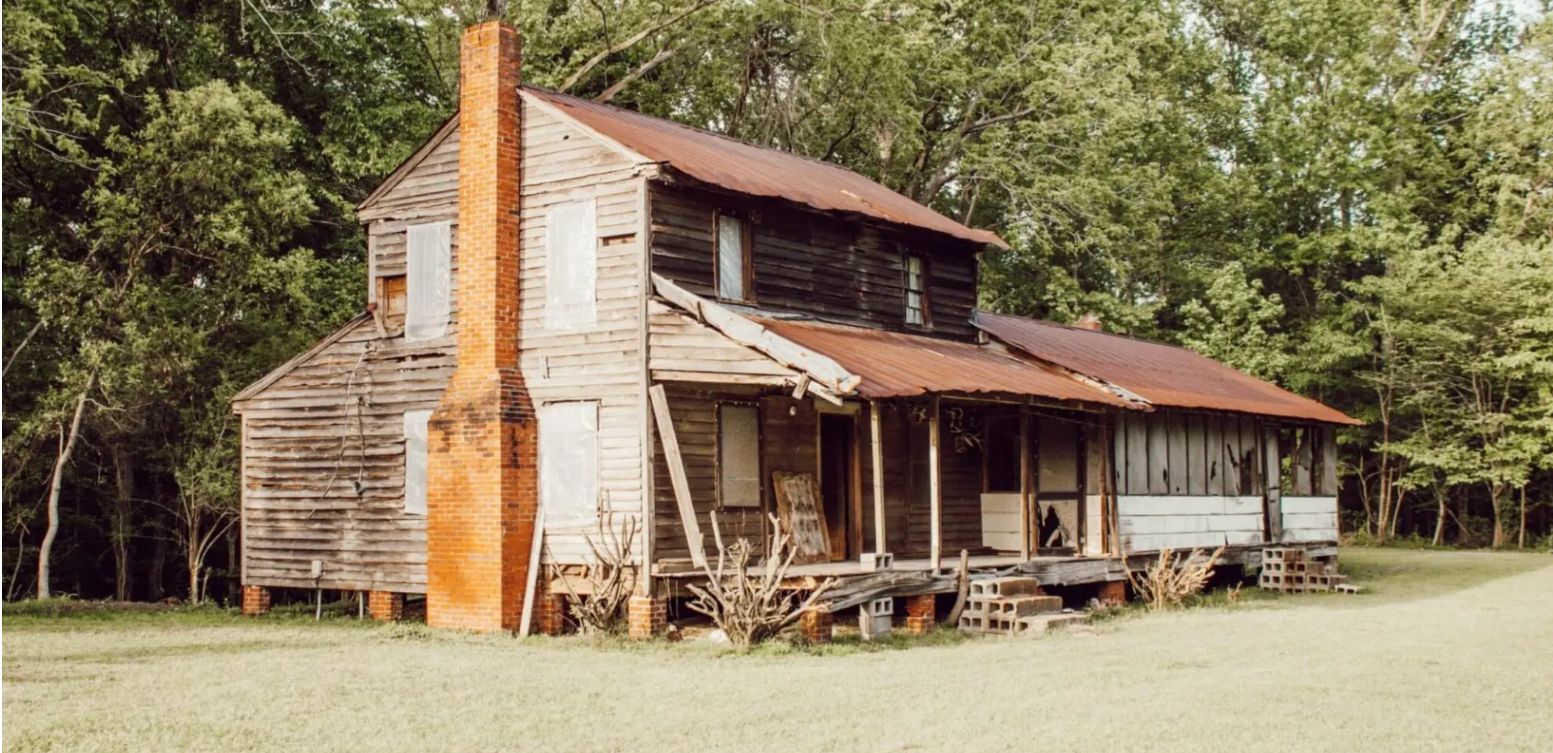
An example of what my dad’s house looked like. Sadly, there were no pictures of the original homeplace taken before a coal company came in and stripped the land for coal.

Winter was especially tough. With no insulation and only the stove and fireplace for heat, the bedrooms stayed bitterly cold. At night, the family would gather in the kitchen or den and sleep close to the warmth. It wasn’t a matter of comfort — it was a matter of getting through the night.

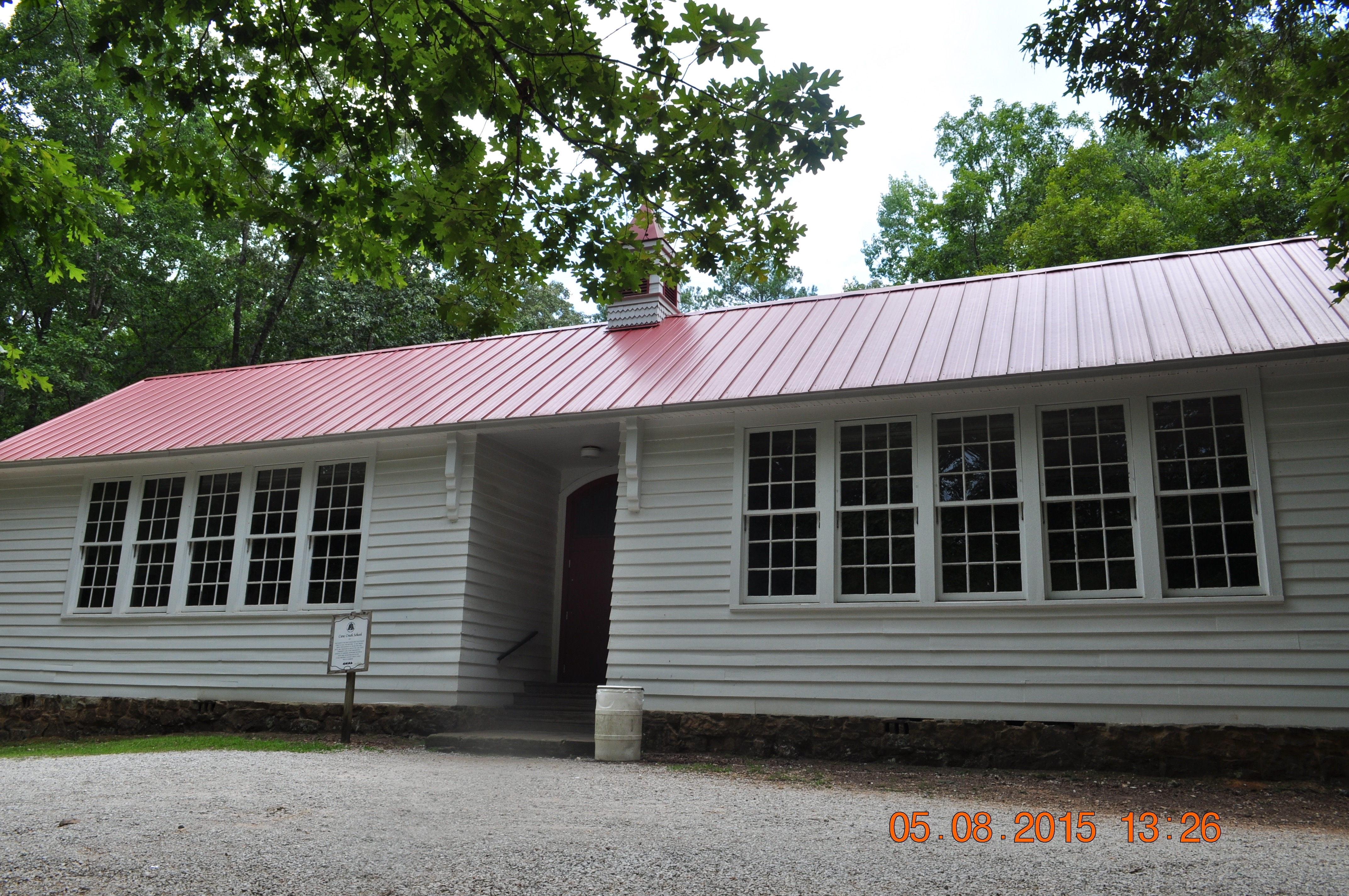
Dad and his siblings all attended a small schoolhouse that taught every grade. The school was a couple of miles away, and they walked there every day in all kinds of weather. Chores had to be finished before school, breakfast eaten, and everyone out the door on time — knowing there would be more chores waiting when they got home.

Dad’s Old School House after it was renovated and moved to Tannehill Historical State Park. Cane CreekSchool

The school building has since been moved to a state park. I remember seeing it years ago, sitting empty and slowly falling apart before someone finally decided it was worth saving as a piece of history.

My grandfather owned more than a hundred acres of land. Some of it was cleared for farming, but plenty remained woods for hunting and fishing. He even built a small pond where he raised catfish, bream, and a few bass. I can still remember being taken there as a kid to catch catfish.

There were always plenty of deer around, and Dad and his cousins would hunt whenever they could. Meat wasn’t something you saw every day on the dinner table, so venison was considered a special occasion.

Years later, the government came in and took over much of the property and stripped the land for coal. The mountain that my grandfather spent years clearing and farming was changed forever. The old homeplace doesn’t look anything like it once did. What was once woods, fields, and family history now bears the marks of heavy equipment and mining. It’s hard to imagine that the quiet little farm Dad grew up on once stood there.

Before he was drafted into the Army, Dad joined the Navy and served aboard an aircraft carrier. He spent most of his time between the Sea of Japan and San Diego. He doesn’t talk much about those years, but he learned electronics while serving and often worked on jet aircraft that needed repair or servicing.

The one Navy story he never gets tired of telling is how he hitchhiked all the way from San Diego to Birmingham just to see my mom before they were married. That’s a long trip even today — and I doubt many parents would approve of their daughter dating a man willing to cross the country with his thumb out.

My grandmother died when I was only four years old. Back then, they didn’t understand diabetes the way they do now. A foot injury led to an amputation, then another surgery when infection set in, and eventually, they couldn’t stop what they called “the poison” from spreading. I only have faint memories of her.

My grandfather lived into the late 1980s and died at the age of 82. Dad is now 86 and the last of his family still living — the baby of three sisters and two brothers.

Dad’s health is still fairly good. Mom lives with constant arthritis pain and severe scoliosis. She used to be nearly six feet tall; now she’s lucky to reach five feet. Time has a way of changing all of us, whether we want it to or not.

Dad has diabetes, like most of his brothers and sisters. That’s where I likely got it from, and it makes me worry a little about my kids. Some things travel through families whether we want them to or not.

I consider myself fortunate to still have both of my parents. At 62, many of the people I went to school with have already lost theirs. I’m one of the few who can still go sit in the living room and listen to stories from a man who grew up in a world that hardly exists anymore.

And the older he gets, the more those stories seem to matter.

Because one day, they won’t be told anymore.

Insurance Knows Best… Supposedly

25 Wednesday Feb 2026

Posted by Tim Hughes Living with CML in Cancer, Diabetic, Disability, Family, Leukemia, Life, Photography, Retirement, Uncategorized

≈ 2 Comments

Tags

co-pay, cost, Diagnoses, Doctors, Drugs, health, health-insurance, healthcare, Insurance, Medicare, Medication, Pharmacy, prescriptions, rejection, research

Doctor Says Yes… Insurance Says “We’ll Think About It”

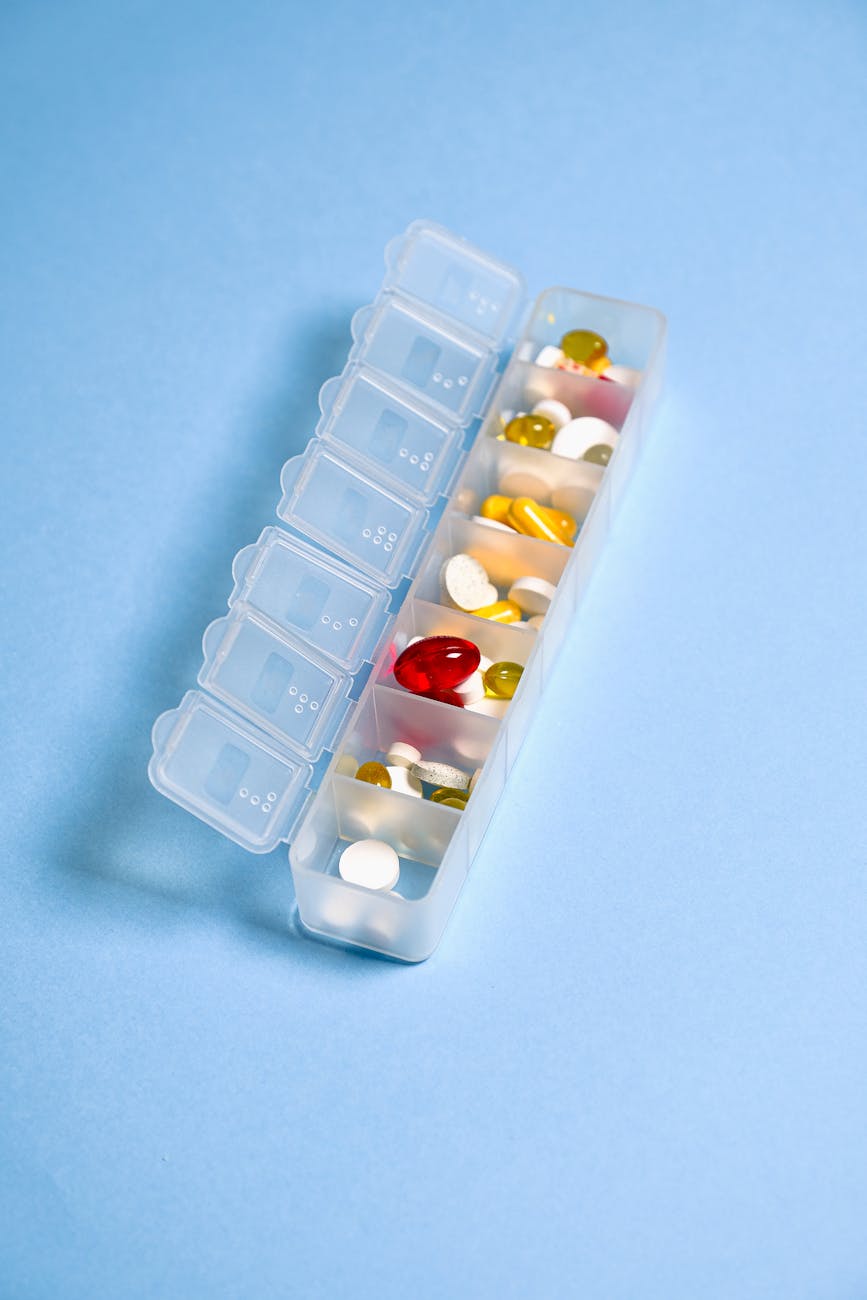
Photo by Anna Shvets on Pexels.com

Doctors, diagnoses, prescriptions, Medicare, insurance, and denial — those are words that seem to follow me around these days. Sometimes I think dealing with the medical system is almost a full-time job. If they paid by the appointment, I’d be drawing a salary by now.

One thing I’ve never quite understood is how a doctor can go to school for years, train for years more, examine you personally, and decide what medication you need — only for the insurance company to step in and say, “Nope, we don’t think so.”

Apparently, somewhere a person is sitting behind a desk who knows more about my condition than the doctor who actually saw me.

I worked for a health insurance company for 32 years before I retired. I was in the maintenance department, which meant I fixed things like doors and lights — not insurance claims. Still, people who knew where I worked would often ask me why their medication was denied even though their doctor prescribed it.

I always had to explain that just because I worked there didn’t mean I knew anything about insurance decisions.

Truth be told, I still don’t.

A good example is what happened recently with my son. He was prescribed medication for severe sleep deprivation. His previous insurance covered it, and he was happy because they had finally found something that actually worked.

Then he changed jobs.

His new insurance company now says the medication is “not medically necessary.” I guess sleeping is optional now.

The doctors now think he might have sleep apnea and ordered a sleep study. Before he even got scheduled, he got a phone call saying the test would cost over $2,000 because his insurance wouldn’t cover it.

He’s a young man with a mortgage, a car payment, and utility bills. In other words, he’s living in the real world — the one where people don’t just have $2,000 laying around for a test that might help them sleep at night.

Meanwhile, I realize I’m one of the fortunate ones. Because of my disabilities, I qualify for Medicare, and because I worked for an insurance company, I retired with a good supplemental plan. That combination gives me coverage that many people would love to have.

I don’t pay co-pays for doctor visits. I don’t pay for emergency room visits. Every time I leave the hospital, the bill says I owe exactly zero dollars, which is my favorite number.

I do pay for some medications, but not a lot.

One medication I take costs about $20,000 for a 30-day supply.

Yes, twenty thousand dollars.

For that price, I feel like it ought to come with a steak dinner and a weekend vacation.

Fortunately, the drug company offers a $0 co-pay card because they know insurance only pays part of the cost. Thanks to that program, I don’t pay a penny for a medication that costs more than some cars.

I consider myself blessed, because there are people who need this same drug and simply can’t get it because they don’t have the right insurance. That part isn’t funny at all.

When I ask why the drug costs so much, I’m told it’s because of all the research that went into developing it. I understand that research costs money, but sometimes I wonder if the scientists also built a few vacation homes along the way.

After being on this medication for a while, I feel like I’ve personally contributed a pretty fair share toward paying for that research — and I know some folks have been on it a lot longer than I have.

I don’t know what the answer is. Doctors are trying to help people. Insurance companies are trying to control costs. Drug companies are trying to recover research money.

And patients are just trying to stay alive without going broke in the process.

Maybe one day there will be a system where if your doctor says you need something, you can actually get it without filling out forms, making phone calls, and saying a small prayer first.

Until then, I guess we’ll just keep taking our prescriptions — and a healthy dose of patience right along with them.

“Sir… Not in the Lobby.”

19 Thursday Feb 2026

Posted by Tim Hughes Living with CML in Uncategorized, Boy Scouts, Diabetic, Life

≈ Leave a comment

Tags

Life, Dr Appt, writing, love, short-story, Urologist, Specimen cup, Pee Sample, Men's room, lobby, sarcasm

A funny thing happened at the doctor’s office today.

And no, this isn’t the beginning of a stand-up routine — although it probably should be.

I had my annual appointment with the urologist this morning. Nothing says “good morning” quite like discussing internal plumbing before 9 a.m.

When I walked in, there was a long line to check in. Apparently, everybody else decided today was “Let’s Make Sure Everything Still Works Day.”

Last year, they had six kiosks where you checked yourself in. I loved those things. Type your name. Enter your birth year. Scan your driver’s license. Scan your insurance card. Boom. Done. No awkward eye contact. No unnecessary explanations.

But apparently, some of the older crowd didn’t appreciate technology asking them personal questions. And if they asked for help, the folks behind the glass either didn’t know how the kiosks worked… or were honoring a sacred vow to never leave their swivel chairs.

So the kiosks are gone.

Now we’re back to two humans behind glass asking the exact same questions the kiosks asked — just at dial-up speed.

I finally made it to the front, handed over my cards, and was told to sit down.

I barely had time to pull out my Kindle before my name was called. That should’ve been my first warning sign.

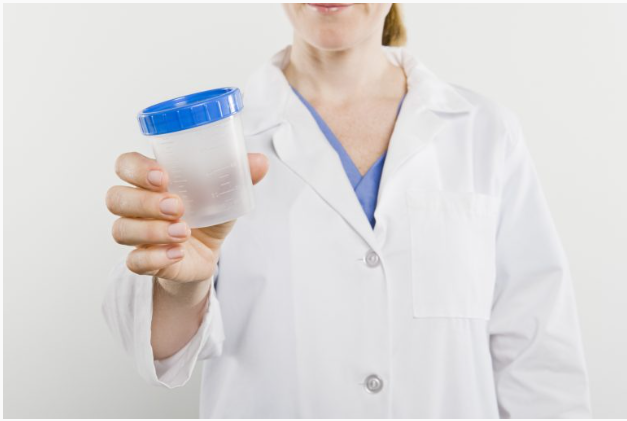
The nurse met me with that little plastic specimen cup in her hand.

Men everywhere know that cup.

She said, “We’re going to need a urine sample. There are long lines to the restrooms in the back, so you can fill the cup in the lobby.”

I’m sorry… what?

Fill it in the lobby.

Now, I’m not overly modest. I’ve camped with teenage boys. I’ve survived scout trips. I’ve seen things. But I didn’t think the packed waiting room — complete with elderly ladies, a coughing man, and someone flipping through a 2017 copy of Field & Stream — needed a live demonstration.

Before wisdom could tap me on the shoulder, sarcasm grabbed the microphone.

I said — and I’m not proud of the volume level —
“You want me to give you a pee sample right here in the lobby?!”

The room froze.

Then came the laughter.

You would’ve thought I’d just announced a flash mob.

The nurse’s eyes got big enough to qualify for an exam of their own. That look said, “This man is one sentence away from being escorted out by security.”

She quickly snatched the cup back, took hold of my hand like I was a toddler about to wander into traffic, and escorted me to the men’s room — which, by the way, was in the lobby the entire time.

Apparently, “fill it in the lobby” meant “there’s a bathroom in the lobby,” not “sir, make it a public event.”

Details matter.

She stood outside the restroom waiting for me like I was taking the SAT. When I came out and handed her the cup, I apologized and told her I knew she didn’t mean what she said.

She laughed. The tension broke. My medical record probably now includes the phrase: Patient displays elevated sarcasm levels.

The rest of the appointment was uneventful. Lab work looked good. Everything’s functioning as designed. I’m cleared for another year.

So today’s takeaway:

  1. Listen carefully.
  2. Don’t project your sarcasm at full stadium volume.
  3. And if someone hands you a specimen cup, clarify the location before making an announcement.

Although judging by the laughter in that waiting room, I may have provided the best entertainment they’ve had since the kiosks were removed.

And for the record — everything’s flowing just fine.

Under the Microscope… Again (Apparently I’m Now 5.9% Banana)

06 Friday Feb 2026

Posted by Tim Hughes Living with CML in bariatric-surgery, Diabetic, diet, Life, Uncategorized, Weight Loss

≈ 4 Comments

Tags

addiction, Appointment, Bloodwork, Change, Coffee, craving, Doctor, Food, health, labs, labwork, Life, lifestyle, pottassium, relationships, Surgery, writing

Lab results are in, and just like that… I’m under scrutiny again.

When I got the email with the results, the first thing that jumped out at me was my potassium. High. Again.

This isn’t new. It was high before, then magically went back to normal on the retest. Go figure. But here we are again. My doctor called yesterday and told me my potassium was elevated to an “extremely high” level. Naturally, I went digging through my past labs, and I noticed a pattern — since my weight-loss surgery last April, my potassium has been slowly climbing.

And I have absolutely no explanation why.

For those who don’t live their lives waiting on lab portals to refresh, high potassium — or hyperkalemia — means there’s too much potassium in your blood. Normal is between 3.5 and 5.0 mEq/L. Mine? 5.9 mEq/L.
Apparently, that extra .9 is where doctors start using their serious voice.

Now here’s where it gets interesting.

The only real lifestyle change I’ve made since surgery is that I’ve apparently developed a full-blown relationship with coffee. Before surgery, I had never enjoyed a single cup in my life. Not one drop. Loved the smell. Hated the taste. But after surgery? My body apparently said, “You know what we need? Coffee. All of it.”

Those pre-surgery classes warned me this might happen. Foods you hate, you’ll crave. Foods you love, you might hate. They never warned me I’d wake up one day emotionally attached to a coffee mug.

I’ve asked other doctors if coffee could be the culprit. Most said, “Probably not,” though they also gently hinted that maybe I shouldn’t be drinking coffee like it’s my full-time job. This latest doctor, however, seems less convinced.

The nurse asked how much coffee I drink in a day.

I was honest.

  • 22 oz before breakfast
  • 22 oz with breakfast
  • 22 oz sometime after supper

Apparently, this is not the answer they were hoping for.

And it doesn’t stop there.

If I go somewhere, I have a freshly made 22 oz riding with me in the truck. I also have what can only be described as a coffee emergency kit — a toolbox with all the fixings — just in case I get stranded somewhere that doesn’t have a coffee shop with my brand of coffee.

Yes. I know. It’s really sick.

Some people say caffeine keeps them awake. Not me. I can drink coffee at 9 PM and be asleep by 11 like a toddler after a long day at daycare. I’m not wired all day. I’m not bouncing off walls. I’m just… caffeinated and functional.

Her suggestion?
Limit myself to one cup per day.

Not one 22 oz cup.
One. Cup.

Friends… that is simply not going to happen.

Today I tried. I drank only one 22-oz cup. And I spent the rest of the day thinking about coffee like it was an ex who still had my hoodie.

I go back to the doctor next Tuesday for more labs. Hopefully, I can make it until then. And maybe — just maybe — they’ll tell me it’s not the coffee doing this.

So now I wait. More labs. More monitoring. More trying to figure out what exactly my body is doing and why it suddenly decided potassium is its favorite hobby.

In the meantime, if you see me walking around slightly jittery but emotionally stable, just know I’m doing my best… and possibly negotiating with myself about a second cup.

When a Routine Becomes a Memory

03 Tuesday Feb 2026

Posted by Tim Hughes Living with CML in Boy Scouts, Cancer, Diabetic, Disability, Life, Uncategorized

≈ 1 Comment

Tags

awards, blood, Bloodwork, Boy Scouts, camping, ceremony, Coffee, Doctor, Dutch Oven, health, labwork, leader, Life, mental-health, needles, Scouts, writing

Tuesdays are my long days.

They start at 4:00 a.m. — rolling out of bed, grabbing a shower, getting dressed, and heading straight to the kitchen for the first of what will be four cups of coffee. Tuesday mornings mean Bible study across town at 6:00 a.m., so once my first 22-ounce cup is ready, I sit at the kitchen table and go over the material we’ll be covering later that morning. Sometimes I’ll pour a bowl of cereal while I drink my coffee and wake up enough to be conversational.

This morning, though, I lost track of time. One coffee refill turned into “oh wow, I need to leave now.”

I left the house about ten minutes later than normal, thinking I could make up the time on the drive. That thought lasted right up until I hit a blocked road. Detour ahead. The detour added about twenty minutes to my drive, which pretty much killed any hope of being early. And I’m one of those people who would rather be thirty minutes early than five minutes late. I ended up pulling in right at 6:00 a.m. — which, technically, is on time… but still feels late to me.

Normally, after Bible study, I head back toward home and stop for breakfast with one of my fishing buddies. Not today. Today was lab work day, which meant going to the doctor’s office to give blood. Ever since I lost all this weight, nurses seem to have trouble getting blood from me without sticking me multiple times. Either the blood stops flowing, or my veins decide to roll out of the way like they’re dodging responsibility.

This morning was no different. Three sticks before they found a vein that cooperated long enough to get what they needed.

After lab work, I went across the street to a diner and grabbed a breakfast sandwich to go. Once I got home, I spent most of the afternoon working on Boy Scout awards. We’ve got an awards ceremony for the young men in our troop this Saturday, and everything had to be sorted and organized. Of course, I found out I’m missing some awards, so tomorrow it’s back to the Scout office to track those down.

Tuesday nights are — or maybe I should say were — Scout nights for me.

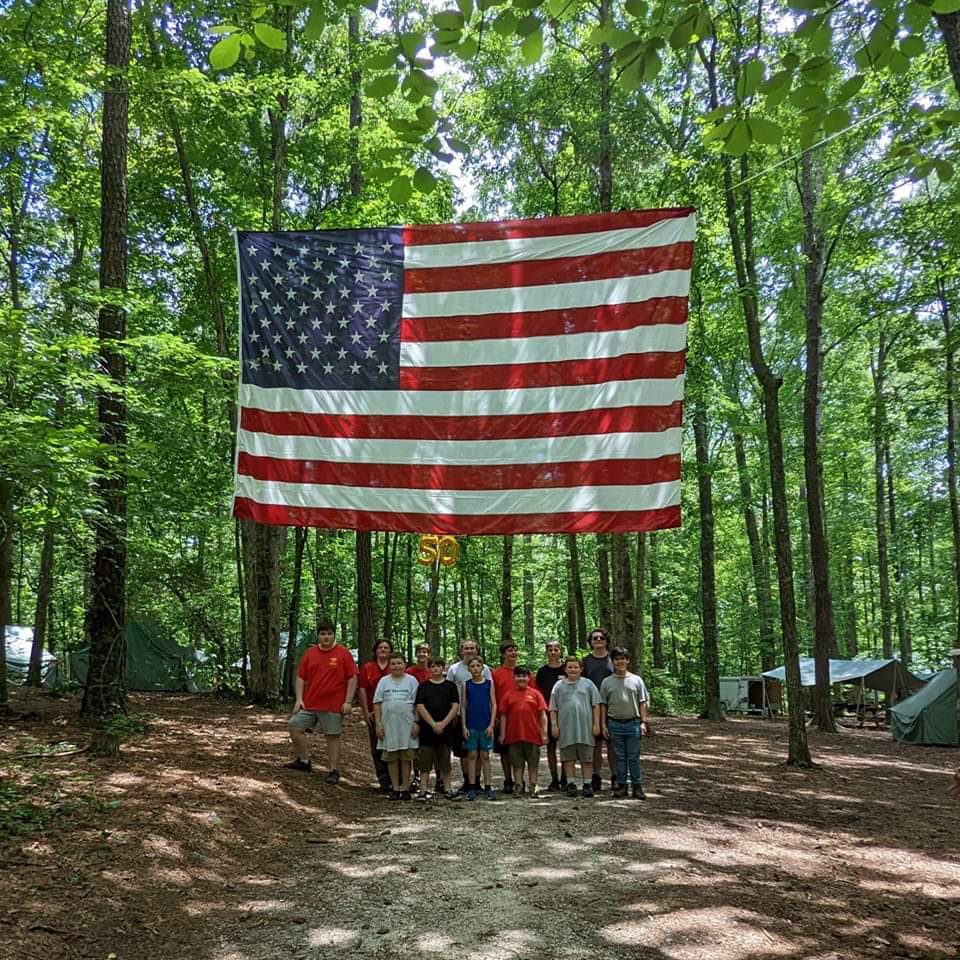
Tonight was my last regular Tuesday night with the Boy Scouts. We have the awards ceremony on Saturday, and that will be my last official night serving as a leader. I’m not going to say much more about that until after Saturday. I’ve got something in mind that I’ll be writing about and posting here once everything is finished. All I’ll say for now is… it’s bittersweet.

After the meeting, some of the leaders stayed behind talking about old times and even tossing around ideas about future camping trips. I haven’t been home long, and it’s getting late. I’m not really sure what my Tuesday evenings will look like starting next week. Part of me is a little sad… and part of me is relieved.

I do have a training class starting next month that will fall on Tuesdays, but it’s only for eight weeks. After that? I guess we’ll see what new routine Tuesday decides to become.

When “Stable” Is a Standing Ovation

30 Friday Jan 2026

Posted by Tim Hughes Living with CML in Cancer, Diabetic, diet, Leukemia, Life, Uncategorized, Weight Loss

≈ 2 Comments

Tags

Diagnosis, Dialysis, Doctor, eGFR, energy, Flood, health, Hemoglobin, Hospital, infusion, Iron, Kidney, kidney disease, kidney failure, Kidneys, Life, Medical, Nepgrologist, Oncologist, wellness

My nephrologist called me the other day to reschedule my appointment. Apparently, the hospital had a flood on the top floor, and their offices were flooded as well. Because when you’re already dealing with kidney issues, why not throw in some surprise indoor rain?

As a result, they had to temporarily move their offices to one of their satellite locations in a nearby city. The day before my appointment, they called again and asked if we could just do a teleconference instead. Same time, same doctor, no driving, and no pants required from the waist down—absolutely.

My lab work had already been done a couple of weeks earlier, and because I like to mentally prepare myself for either good news or emotional damage, I had my results emailed directly to me. Now, I’m not a doctor, and I don’t pretend to understand every number on those reports, but there are a few that I follow very closely.

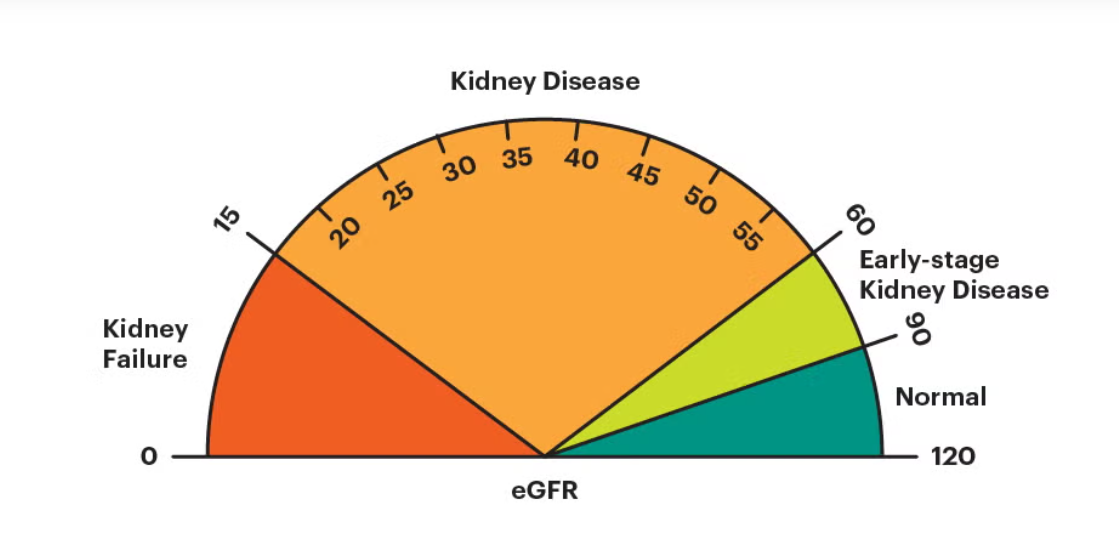
First up is eGFR, or estimated Glomerular Filtration Rate. This number tells you how well your kidneys are filtering your blood. A normal range is between 90 and 120—numbers I personally haven’t seen in a while and would probably frame if they ever showed up again.

  • 60–89 is Stage 2 kidney disease
  • 45–59 is Stage 3a
  • 30–44 is Stage 3b
  • 15–29 is Stage 4
  • Below 15 means kidney failure, and dialysis becomes a very real conversation

Then there’s Creatinine, a waste product filtered by the kidneys. In simple terms, the higher the number, the worse things are working. Think of it as your kidneys’ performance review—lower is better.

The last big number I keep an eye on is hemoglobin, the protein responsible for carrying oxygen throughout your body. This one has a direct impact on how much energy I have, which explains why some days I feel like I could conquer the world, and other days I need a nap after tying my shoes. Normal range is 13.2-17.1

So here are the numbers I focus on:

  • eGFR: 35
  • Creatinine: 2.09
  • Hemoglobin: 10.5

Now yes, an eGFR of 35 doesn’t exactly scream “picture of perfect health,” but context is everything. Last year, that number was 14. At that point, my doctor was already talking about my next visit being with a dialysis specialist. That’s not a meeting you look forward to.

So going from 14 to 35? I’ll call that a solid upgrade.

My creatinine also improved significantly—from 4.29 last year down to just over 2. Another small victory, but I’ll gladly stack those wins wherever I can get them.

Hemoglobin, however, continues to do whatever it wants. It fluctuates so much that I regularly need iron infusions. My oncologist thinks it’s related to my kidney function, while my nephrologist believes it’s tied to the chemo drug I’m on. At this point, I feel like the two of them should arm wrestle, and whoever wins gets to be right.

When the call wrapped up, my nephrologist said she was happy with where things are. She even used the word “stable.”

And if you’ve never dealt with chronic illness, “stable” might sound underwhelming. But when you live in this world, stable is a beautiful word.

Stable means no dialysis—for now.
Stable means nothing is getting worse.
Stable means today is better than last year.

So yeah, I’ll take stable.
No complaints.
And preferably without any more floods—indoor or otherwise.

The Phone Call That Changed Everything

17 Saturday Jan 2026

Posted by Tim Hughes Living with CML in Cancer, Depression, Diabetic, Disability, Leukemia, Life, Weather

≈ Leave a comment

Tags

Anniversery, Cancer, Celebrate, Chemotherapy, CML, Depression, Doctor, health, Lab Work, Laughter, Leukemia, Life, Medicine, Oncologist, Weather

It’s hard to believe, but I’m coming up on my 12th anniversary of being diagnosed with CML (Chronic Myeloid Leukemia). My most recent lab work showed my cancer as undetected—which is always good news… with an asterisk. In my case, “undetected” can be a little sneaky. It can be undetected on one visit and pop back out of range on the next. I wish I could tell you why there’s such a swing, but I don’t do anything differently from month to month. Same diet. Same routine. Same bad jokes. The only thing that really changes is what the numbers decide to do.

I will never forget the day I found out. Or the days leading up to it.

I had gone in for a routine six-month checkup when my GP called and asked me to come back in for more lab work because something looked “off.” Then on February 14, 2014—Valentine’s Day—my wife and I were getting ready to meet one of my daughter’s newest boyfriends. He was coming to pick her up for a high school date, and I was in the important stage of fatherhood known as trying to find the right words to mildly terrify a teenage boy.

That’s when my phone rang.

Keep in mind, this was late on a Friday afternoon, when most doctors’ offices are already mentally in their cars. The nurse told me my white blood cell count was extremely high and that they wanted me to see an oncologist.

At that moment, I had never heard the word “oncologist.” I didn’t know what kind of doctor that was.

During the phone call, my wife quietly looked it up and said, “Tim… that’s a cancer doctor.”

Needless to say, my carefully rehearsed intimidation speech for my daughter’s boyfriend completely left the building.

My appointment was scheduled for the following Tuesday at 10 a.m., which made that weekend the longest weekend of my life. A thousand scenarios ran through my head. I didn’t sleep much. I just wanted Tuesday to get there so I could talk to someone who actually knew what was going on.

Tuesday morning arrived with snow and ice. I kept calling the office. No answer. The hospital sat on top of a steep hill, and the road was iced over. No one was going up it, including me.

Later that day, the temperatures rose, someone finally answered, and my appointment was moved to 2 p.m.

I’ll never forget meeting my oncologist. He made a lasting impression. My wife decided that day she didn’t like him from the start.

I had a thousand questions loaded and ready. I opened my mouth to ask the first one. He held up a finger and said, “I’m talking. When I’m done, I’ll answer your questions.”

And just like that, I realized I was not in charge anymore.

He’s an older doctor, and sometimes I worry that one day I’ll walk in and find out he’s retiring. I’ve been with him nearly the whole time—nearly because there was one stretch when he tried to pawn me off on another doctor at another hospital because my numbers wouldn’t behave. But that’s a story for another time.

The time after my diagnosis was one of the darkest periods of my life. I slipped into a depression I had never known before. I truly thought CML was a death sentence. I was afraid to buy anything because I figured it would just have to be sold or given away. There were days I stayed home—not because I was sick, but because I didn’t want anyone to see me fall apart.

And honestly… at that time, I didn’t care.

Through some very serious conversations with my wife, my parents, and my oncologist, I slowly crawled my way out of that hole. It didn’t happen quickly. It didn’t happen neatly. But it happened.

They say laughter is the best medicine, and while my insurance company may disagree, I’ve found it to be pretty true. If you go back and read some of my early posts, you’ll notice they don’t carry the same humor as the ones I write now. There’s a reason for that.

I still have days when the weight hits harder than others. I still have moments of fear, frustration, and fatigue. But I’ve learned that sometimes it’s better to laugh at life’s situations than to let them crush you. Humor didn’t remove cancer from my life—but it did give me a way to live with it.

So here I am, almost twelve years in. Still showing up. Still rolling the dice on lab work. Still grateful for “undetected,” even when it comes with an asterisk. Still learning. Still stumbling. Still here. And still trying to laugh whenever possible… because some days, laughter is the only thing in the room that reminds you you’re still alive.

If you’re reading this and you’re walking through cancer, or any other terminal or life-altering diagnosis, let me tell you something I had to learn the hard way: don’t give up. Don’t give up on tomorrow. Don’t give up on joy. Don’t give up on the people who love you. And don’t give up on yourself.

There will be dark days. There will be scary appointments. There will be lab results that knock the wind out of you. But there will also be days you never thought you’d see. Conversations you didn’t think you’d have. Laughs, you didn’t think you were capable of anymore. Life doesn’t end when a diagnosis begins. It just changes.

Hold on. Ask questions. Lean on the people God has put in your life. Celebrate the good days. Endure the hard ones. And if all you can do on some days is get out of bed and breathe, then that is more than enough for that day.

Almost twelve years ago, I thought my story was coming to an end.

It turns out that it was just the beginning of a very different chapter.

And as long as there’s breath in your lungs, there is still a reason to keep turning the pages.

Life Updates: Weight Loss, Clyde, and Cold Mornings on the River

19 Sunday Oct 2025

Posted by Tim Hughes Living with CML in bariatric-surgery, Cancer, Diabetic, diet, Fishing, Kayaking, Leukemia, Nature, Pets, Weight Loss

≈ 2 Comments

Tags

Anemic, Bariatric Surgery, Bass, Cancer, CML, Cold, Fishing, health, Hobbies, Kayacking, Leukemia, Life, Pets, Temperature, Tumor, Vlogs, Weighloss, writing

I know—it’s been a minute since I’ve posted anything. Honestly, I don’t even remember what I wrote about last time, so forgive me if I repeat myself a bit.

My weight loss journey has finally leveled out—or at least I think it has. My original goal was 190 pounds, but I’ve actually surpassed that by almost 20. I weighed in this morning at 174 pounds and have been hovering there for several weeks now. That’s over a hundred pounds lost in total, which is still hard for me to wrap my head around sometimes. I’m pretty happy with where I’m at.

I don’t regret having the surgery one bit—if anything, I just wish I’d been able to do it sooner. That said, there are a few side effects I could do without. I get these hunger pains unlike anything I’ve ever felt before—sharp, deep aches around my stomach area that only fade after I eat. And since they removed my inflamed gallbladder during surgery, well, let’s just say I have to stay close to a restroom after meals. What goes in tends to come out quickly, and sometimes with little to no warning. Sometimes it’s 30 minutes, sometimes hours later—but when the tummy starts to rumble, it’s a do-or-die situation. I’ll let your imagination fill in the rest.

On a more personal note, my old buddy Clyde is still hanging in there. He’ll be 21 in January if he makes it that long. About a month ago, we found out he has a tumor on his liver. We don’t know if it’s cancerous, but because of his age, surgery isn’t an option. All we can do now is keep him comfortable and make sure his final days are filled with love. The vet couldn’t give us a timeframe, so we’re just taking things day by day. It’s tough to think about, and we’re trying to prepare ourselves mentally—but that’s easier said than done.

I’m still getting out on the river for some kayak fishing about once a week. I love it, but those 4 a.m. wake-up calls are brutal. I usually try to be on the water by sunrise to make the most of the day, and I’m typically done around 2 p.m. That’s a long stretch to be sitting in a kayak, but it’s peaceful out there.

As the temperatures drop, though, I’m not sure how much longer I’ll be able to keep it up. I’m chronically anemic and stay cold most of the time. Anything below 76 degrees is jacket weather for me. In fact, my thermostat is set at 76, and I still wear a jacket indoors most days. I have a trip planned for this Thursday, but the forecast says 43 degrees in the morning. I can bundle up, but once it warms up, I’ll have to stash my jacket somewhere—and space is limited in a kayak. The front compartment is out of reach when I’m seated, so it’s always a bit of a puzzle.

But hey, that’s life. I’ll enjoy it while I can—cold mornings, creaky joints, and all.

I’m also going to try to stay more active on here, share a bit more often, and hopefully regain some of my old followers—and maybe even find a few new ones along the way.

Feel free to ask me anything about my gastric bypass journey, my buddy Clyde, or my fishing trips. I’d love to share what I’ve learned and experienced. And if you’ve gone through weight loss surgery, have a special pet, or just want to chat about your own hobbies, I’d really enjoy hearing about them too.

14 Months Post Op

27 Friday Jun 2025

Posted by Tim Hughes Living with CML in bariatric-surgery, Diabetic, diet, Fishing, Weight Loss

≈ Leave a comment

Tags

Bariatric, blood pressure, Diabetes, Fishing, gastric bypass, kidney function, Meds, No Regrets

I know it’s been a while, so here’s an update.

My goal was 190 lbs from 260 on my surgery date. As of today, I weigh 171 pounds. Just a little more than I had anticipated. I’m now in size 32 from size 48. The downside is that I now look 20 years older. I do not regret having the surgery, it’s just a huge adjustment with the extreme weight loss. If you’re considering having a gastric bypass, I highly recommend it.

My current A1c is 5.2, down from 8.5. I’m no longer on insulin, heart meds, or blood pressure meds. My kidney function started going down, but for some reason has started going back up again. Not too concerned about that just yet.

I’ve started fishing again, which I thoroughly enjoy,y so be looking for posts about my adventures in my kayak.

← Older posts

Blog Stats

  • 12,473 hits

Enter your email address to follow this blog and receive notifications of new posts by email.

Join 497 other subscribers
Follow Grayfeathersblog on WordPress.com

2015

March 2026
M T W T F S S
 1
2345678
9101112131415
16171819202122
23242526272829
3031  
« Feb    

Blog at WordPress.com.

  • Subscribe Subscribed
    • Grayfeathersblog
    • Join 497 other subscribers
    • Already have a WordPress.com account? Log in now.
    • Grayfeathersblog
    • Subscribe Subscribed
    • Sign up
    • Log in
    • Report this content
    • View site in Reader
    • Manage subscriptions
    • Collapse this bar
 

Loading Comments...